Dar Meknes Tresor
A perfectly restored 17th-century medina house with a standout rooftop breakfast terrace and the best reviews of any Meknes riad here.
View this stayIllustrative photo of Meknes — property galleries are on each booking page.
Meknes was Sultan Moulay Ismail's answer to Versailles — a 17th-century capital of monumental gates, granaries, and 45 kilometres of walls, built at a scale that still outsizes its own medina. Quieter and far less touristed than Fes or Marrakech, it's also Morocco's natural base for day trips to the Roman ruins of Volubilis and the holy hilltop town of Moulay Idriss Zerhoun.
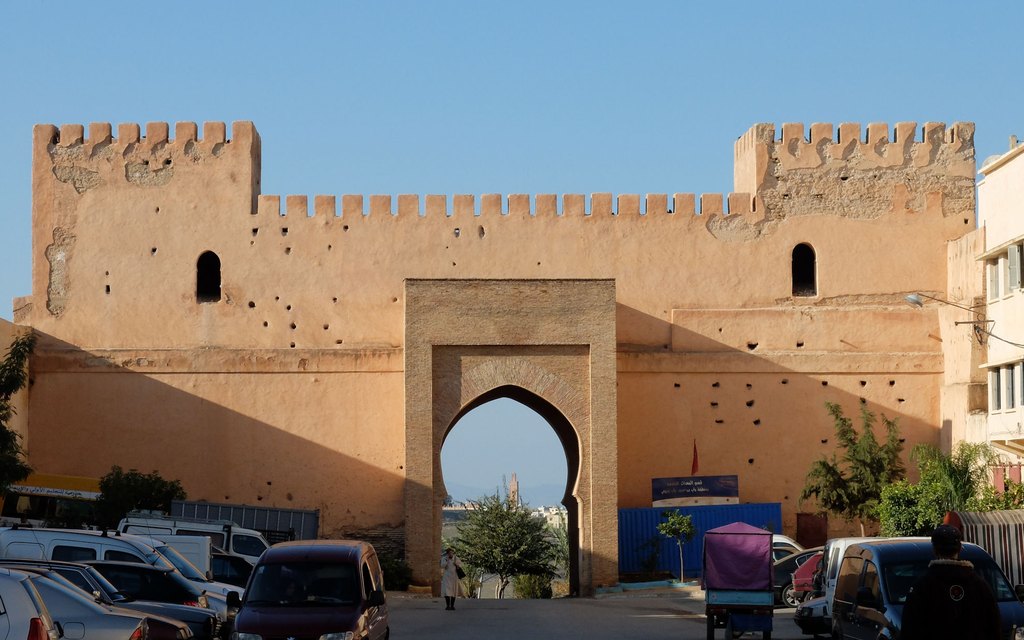
Meknes became Morocco's imperial capital almost by accident of temperament. When Moulay Ismail Ibn Sharif took the Alaouite throne in 1672, he chose the modest Almoravid-era town — founded in the 11th century — as his new seat of power precisely because it had no allegiance to his rivals. Over his 55-year reign, the longest of any Moroccan sultan, he raised a city wall stretching some 45 kilometres around more than 50 palaces, pavilions, and gardens, a project so vast that contemporaries compared it to Louis XIV's Versailles, then under construction in the same decades. Its centrepiece is Bab Mansour, the ceremonial gate to Ismail's royal kasbah: begun under Ismail and completed in 1732 by his son Moulay Abdallah, its green-and-white zellij and Kufic-inscribed marble columns — several looted from Roman Volubilis and Marrakech's El Badi Palace — make it one of the most photographed gates in North Africa. UNESCO inscribed the historic city as a World Heritage Site in 1996.
Where Fes overwhelms and Marrakech performs, Meknes stays low-key — a working provincial capital where the souks, kissaria, and Bab Mansour's Place El Hedim square serve locals as much as visitors, and riads are correspondingly better value. It's also the logical overnight base for the region's two standout day trips: the Roman ruins of Volubilis, 30km north and UNESCO-listed since 1997 for their exceptionally preserved mosaics and triumphal arch, and the whitewashed hill town of Moulay Idriss Zerhoun nearby, burial place of Idris I, founder of Morocco's first Islamic dynasty, and off-limits to non-Muslim visitors until 1912. Staying in Meknes means imperial-scale architecture, a genuine medina, and Morocco's best Roman site all within a short taxi ride — with none of the crowds that queue for the equivalent in Fes or Marrakech.

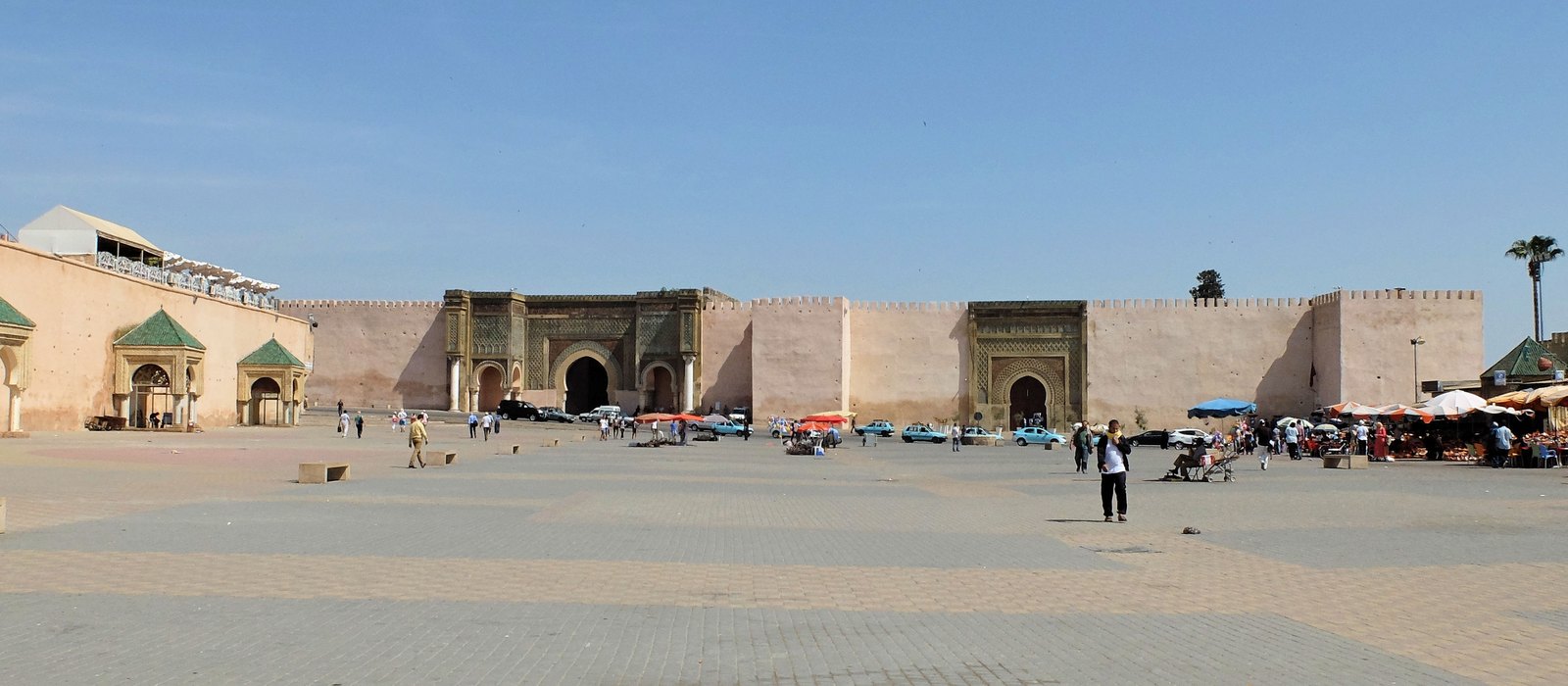
Meknes' monumental gate to the royal kasbah, begun under Moulay Ismail and finished in 1732 by his son Moulay Abdallah, its zellij tilework and looted Roman/Marrakchi marble columns making it one of the most celebrated gates in North Africa.
.jpg)
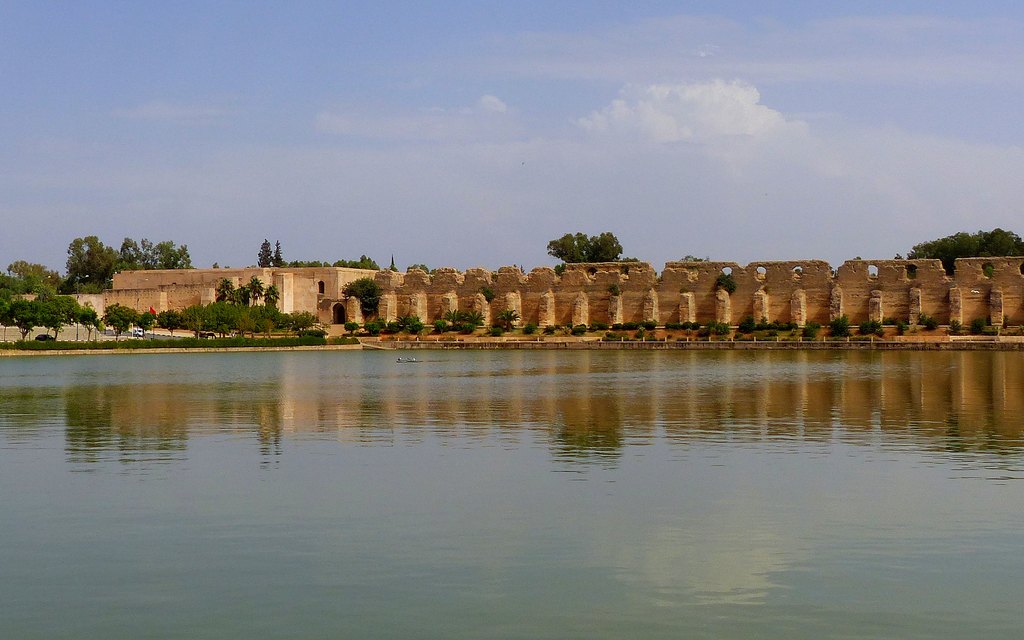
Moulay Ismail's royal granaries and stables, built to hold enough grain and fodder to feed his 12,000-horse cavalry through a siege, cooled by underfloor water channels and still standing beside the 4-hectare Agdal reservoir.

The tomb of the sultan who built imperial Meknes, and one of the few working mosque-adjacent shrines in Morocco open to non-Muslim visitors, its antechamber holding two clocks gifted by Louis XIV.

Morocco's best-preserved Roman site, a 42-hectare fortified town founded in the 3rd century BCE and UNESCO-listed since 1997, where excavated townhouse floors still carry in-situ mosaics beside the 3rd-century Arch of Caracalla.

A whitewashed hill town draped over two peaks near Volubilis, built around the tomb of Idris I, founder of Morocco's first Islamic dynasty in 789, and closed to non-Muslim overnight guests until as recently as 2005.
_06.jpg)
Meknes' UNESCO-listed old city, its souks and kissaria opening onto Place El Hedim — the square Moulay Ismail cleared of houses so his subjects could admire Bab Mansour, and still the medina's liveliest gathering point at dusk.
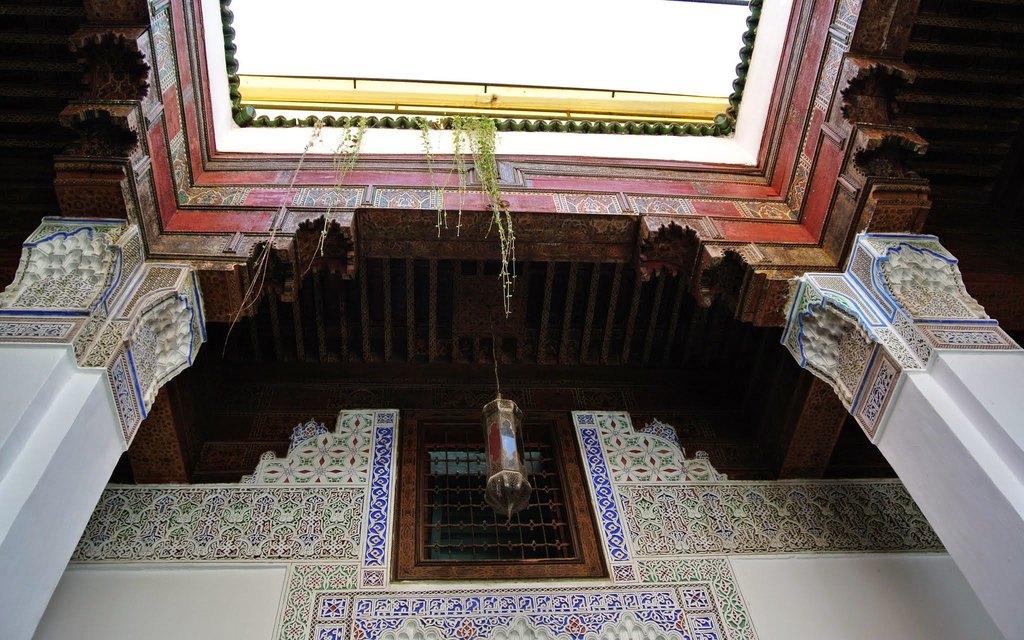
A perfectly restored 17th-century medina house with a standout rooftop breakfast terrace and the best reviews of any Meknes riad here.
View this stayA family-run riad where the owner's home cooking routinely gets called the best breakfast guests had anywhere in Morocco.
View this stayAn Andalusian-mosaic riad on the medina's edge where the in-house chef runs hands-on Moroccan cooking classes.
View this stayA late-17th-century riad near Bab Berdaine, run by two hosts who map out your whole Meknes visit over mint tea.
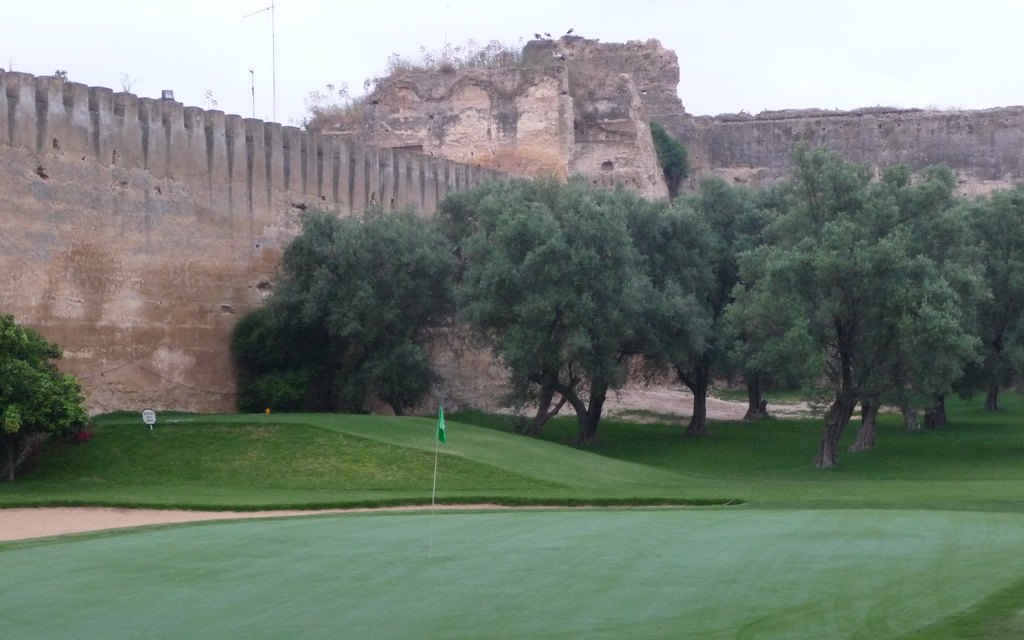
View this stayA six-room riad bordering the Royal Golf course, with a rooftop café terrace looking out over the fairways and the old medina.
View this stayAn 18th-century riad in Meknes's medina with carved cedar and zellige interiors, though recent reviews flag cleanliness lapses.
View this stayFive more regions, each with its own character and its own hand-picked stays.
Riads in the medina, between Jemaa el-Fna and the souks.
Browse stays →The world's largest car-free medina, and where to stay in it.
Browse stays →A walled Atlantic port town, windswept and unhurried.
Browse stays →Morocco's blue city, tucked into the Rif Mountains.
Browse stays →Kasbahs and mountain lodges around Imlil, Asni and Ourika.
Browse stays →Desert camps and kasbahs on the road to the dunes.
Browse stays →Morocco's working capital — imperial history without the crowds.
Browse stays →Port city energy, an Andalusian medina, and a whitewashed art town.
Browse stays →