Lina Ryad & Spa
The blue city's most polished stay — Andalusian courtyard, indoor pool, and mountain views from the roof.
View this stayIllustrative photo of Chefchaouen — property galleries are on each booking page.
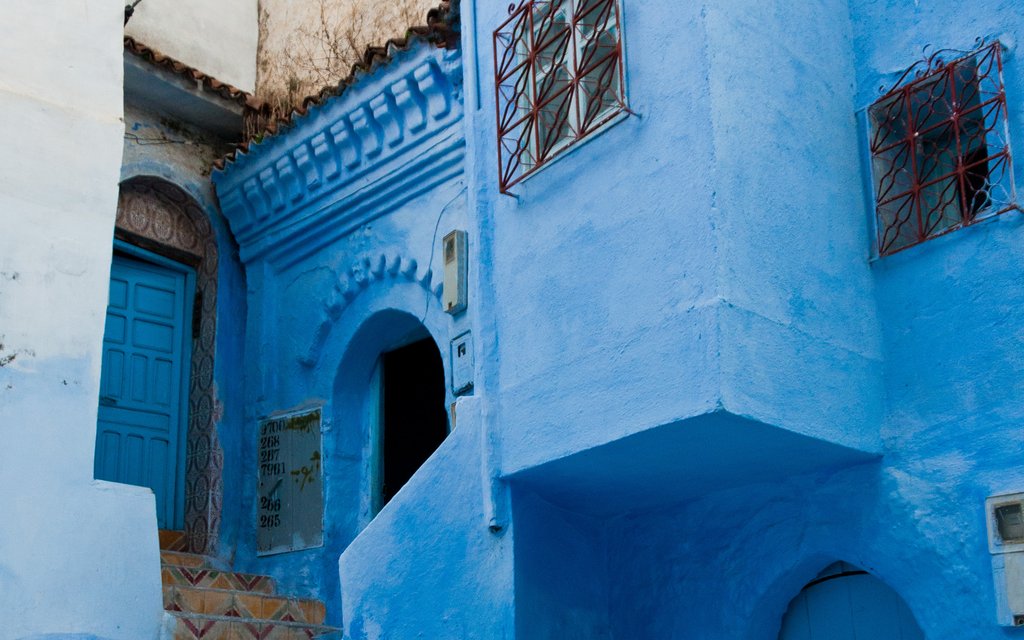
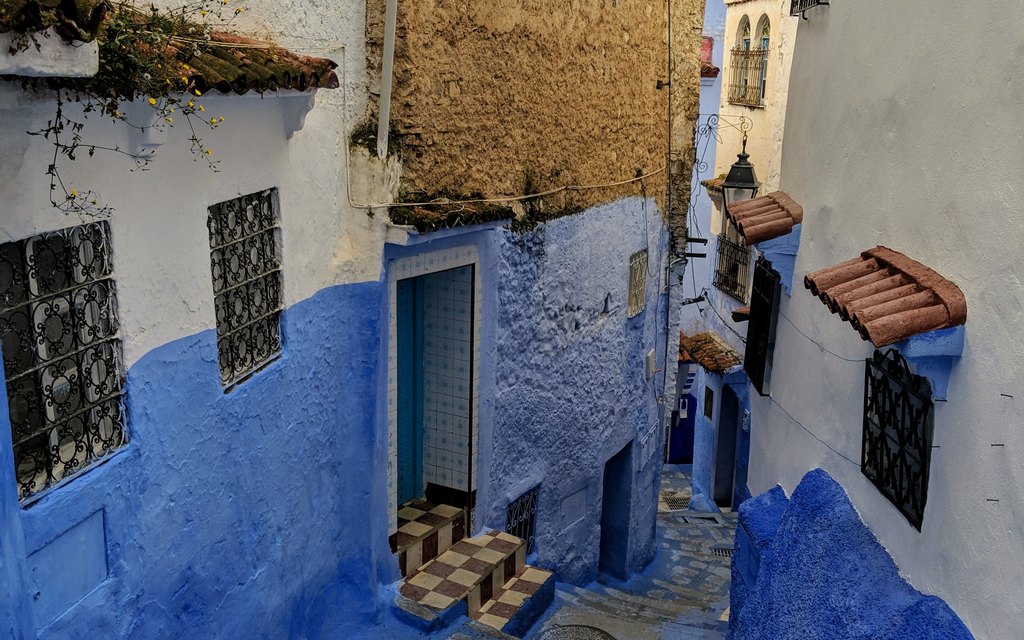
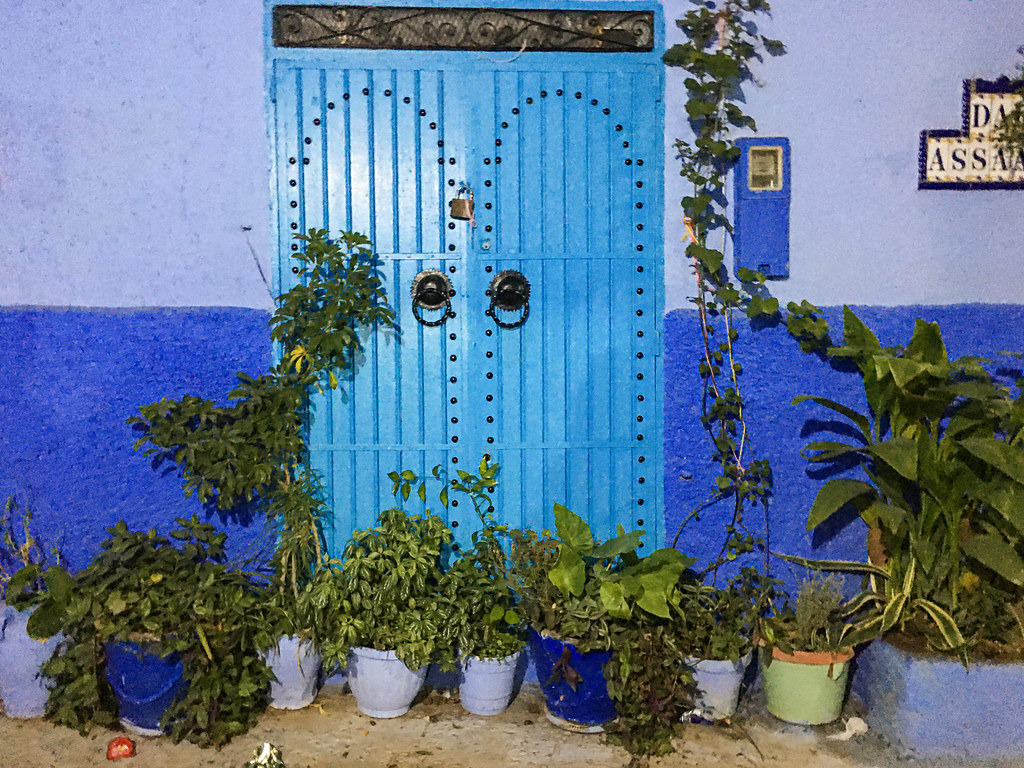
Every wall, door frame and stair riser painted some shade of blue, repainted by residents as an ongoing practice rather than a tourist gesture — here's what the blue city is actually like, and every stay we'd book there ourselves.
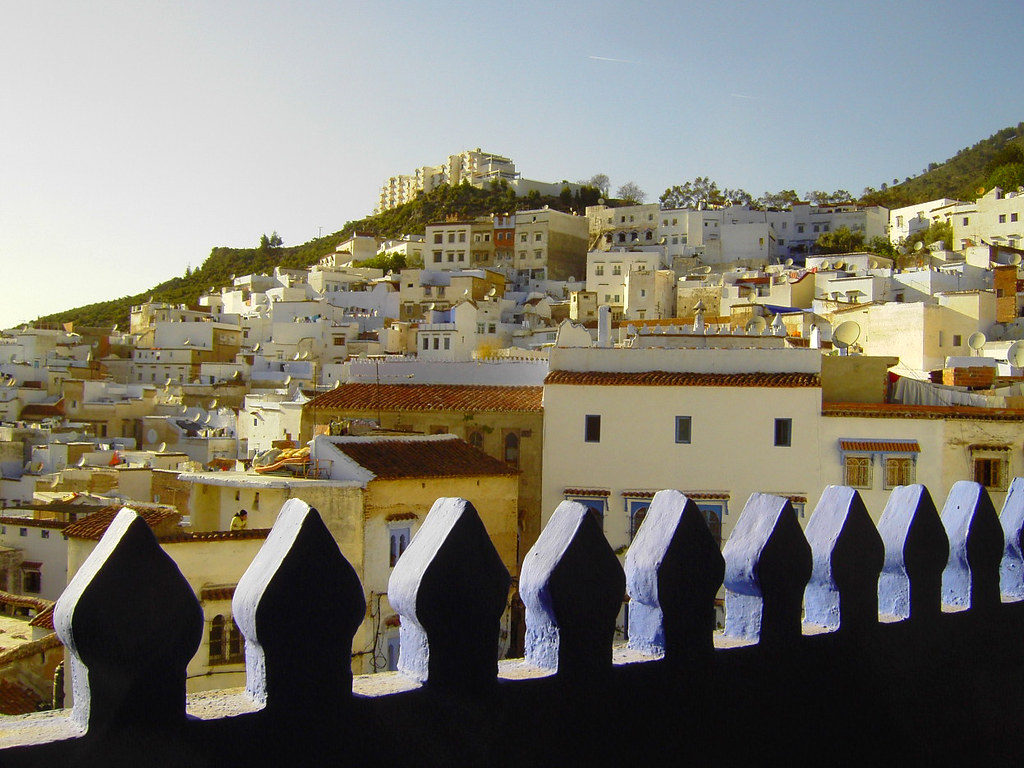
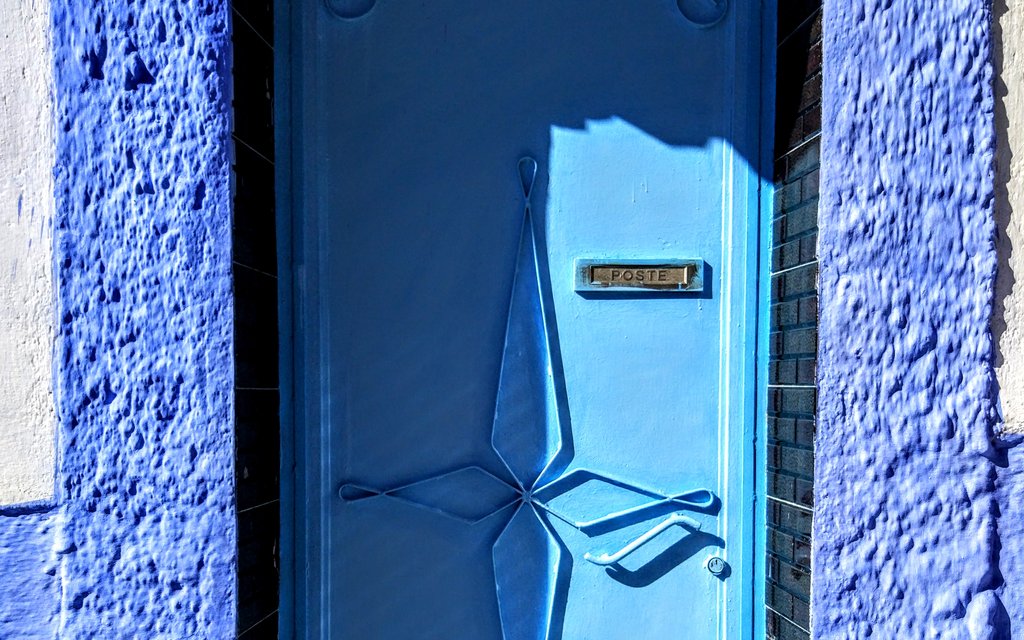
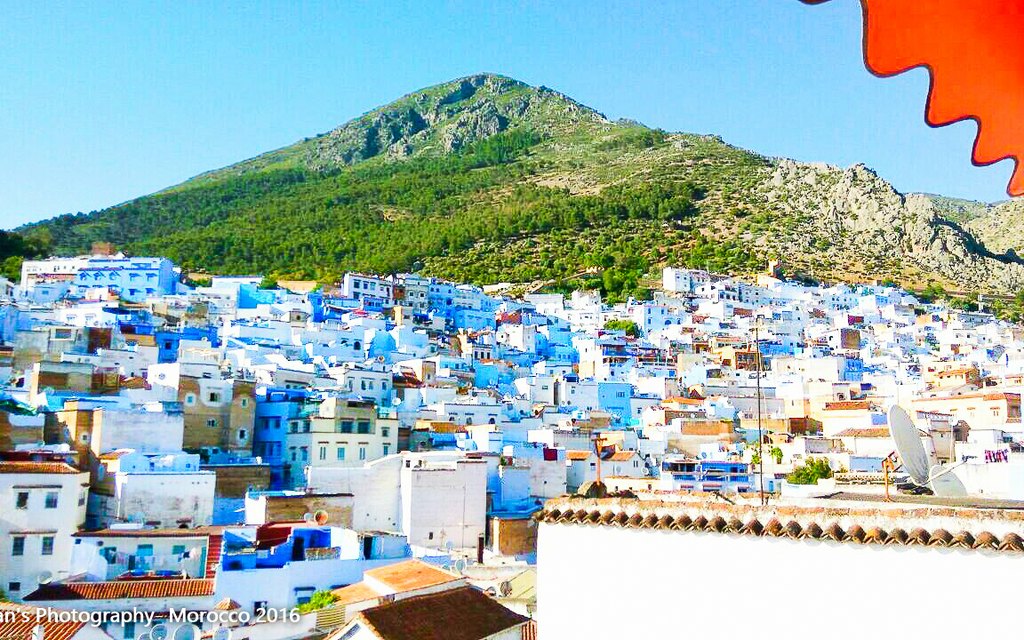
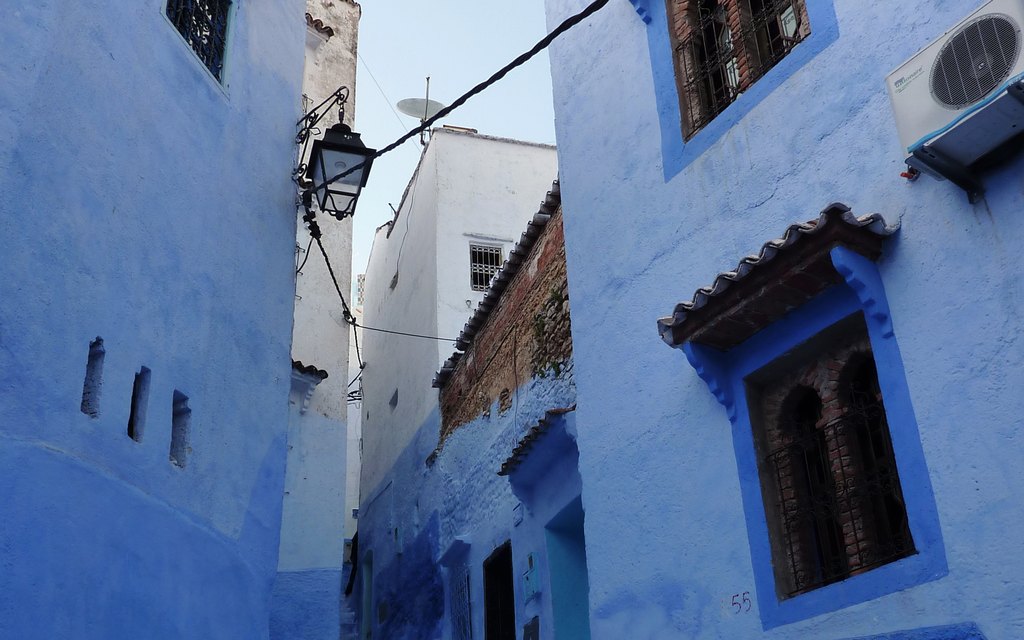
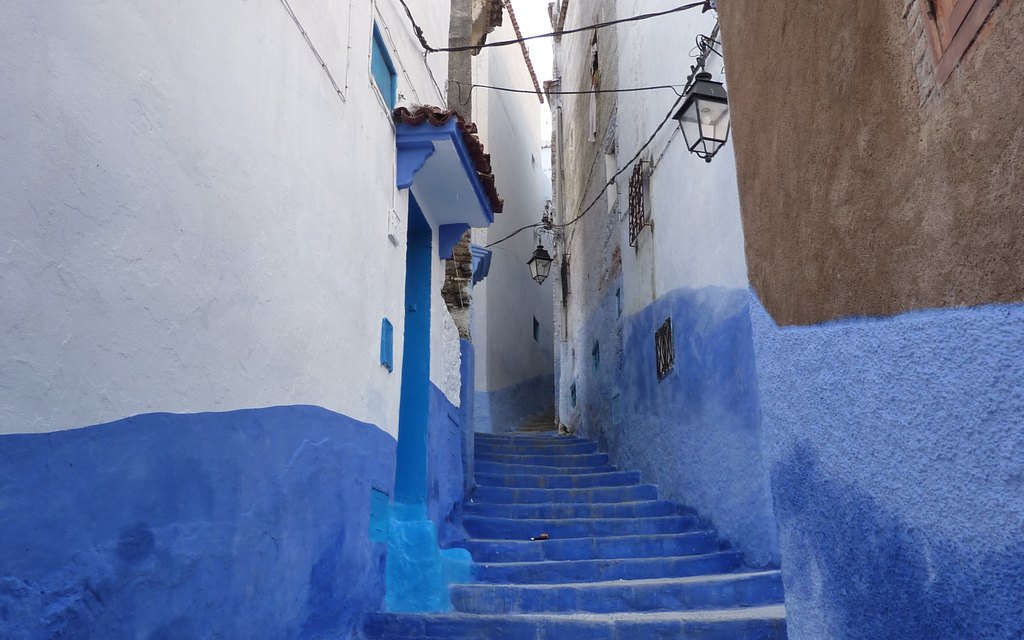
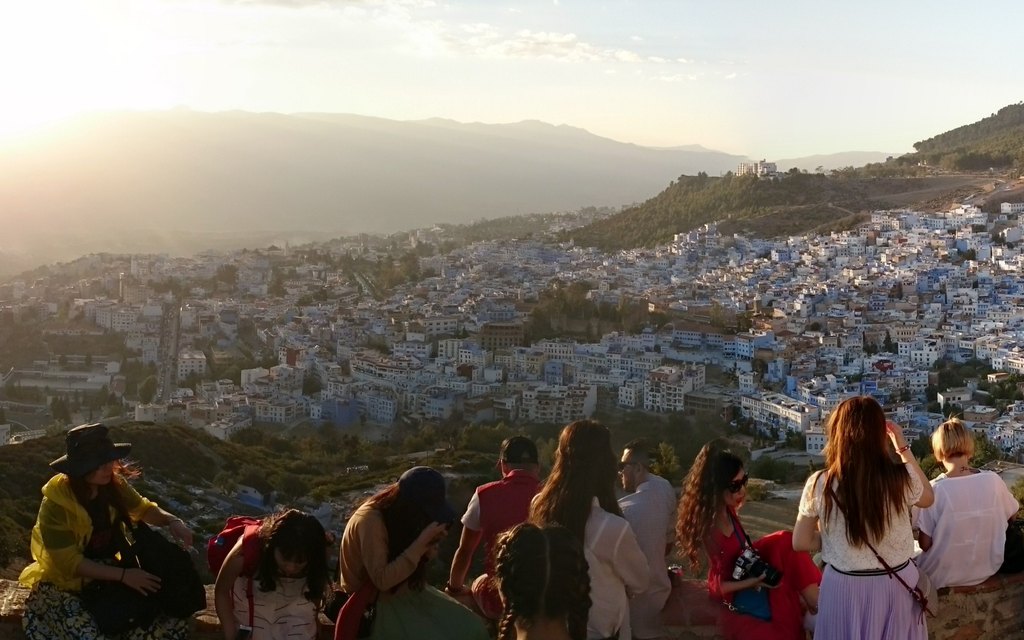
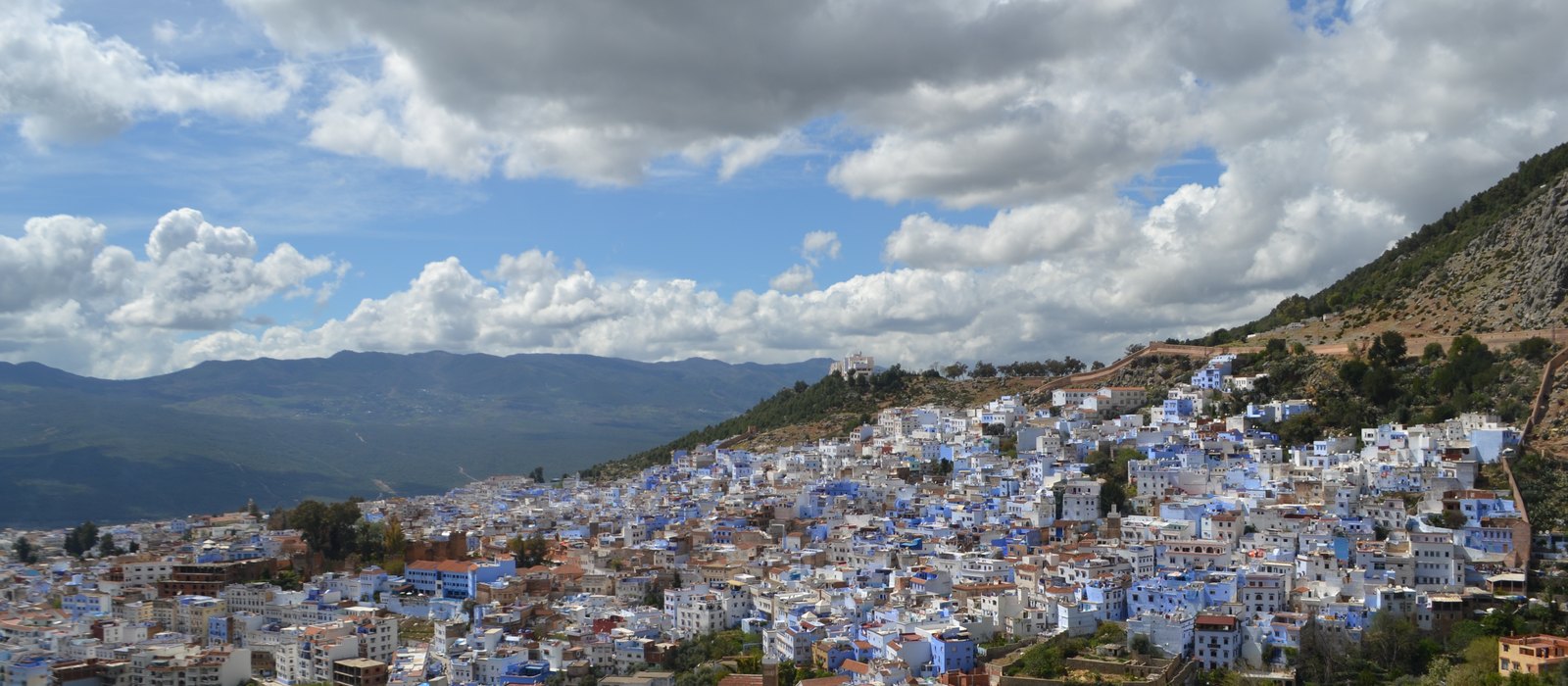
Chefchaouen is built into a fold of the Rif Mountains at about 600 metres, wedged below Jebel el-Kelaa and Jebel Tissouka. The medina is compact and steep — cobbled lanes, stepped alleys, sudden flights of stairs — and almost every wall, door frame and stair riser is painted some shade of blue, from washed-out powder to deep indigo, repainted by residents as an ongoing practice rather than a one-off tourist gesture. The effect shifts through the day: flat under midday sun, saturated and almost luminous in the low light of early morning and evening. Cars don't really enter the old town, so what you mostly hear is footsteps, cats, running water and conversation.
The town was founded in 1471 as a fortress against Portuguese incursions and later absorbed waves of Muslim and Jewish refugees expelled from Spain, which shows in the medina's Andalusian layout and doorways rather than the Arab-Amazigh forms found further south. Its position above the Ras el-Maa spring — still the source of washing water at the edge of the medina — kept the old town small; you can cross it in about twenty minutes on foot. Day-trippers from Fes and Tangier tend to arrive by mid-morning and leave by evening, so an overnight stay buys a noticeably quieter, more contemplative version of the same streets.

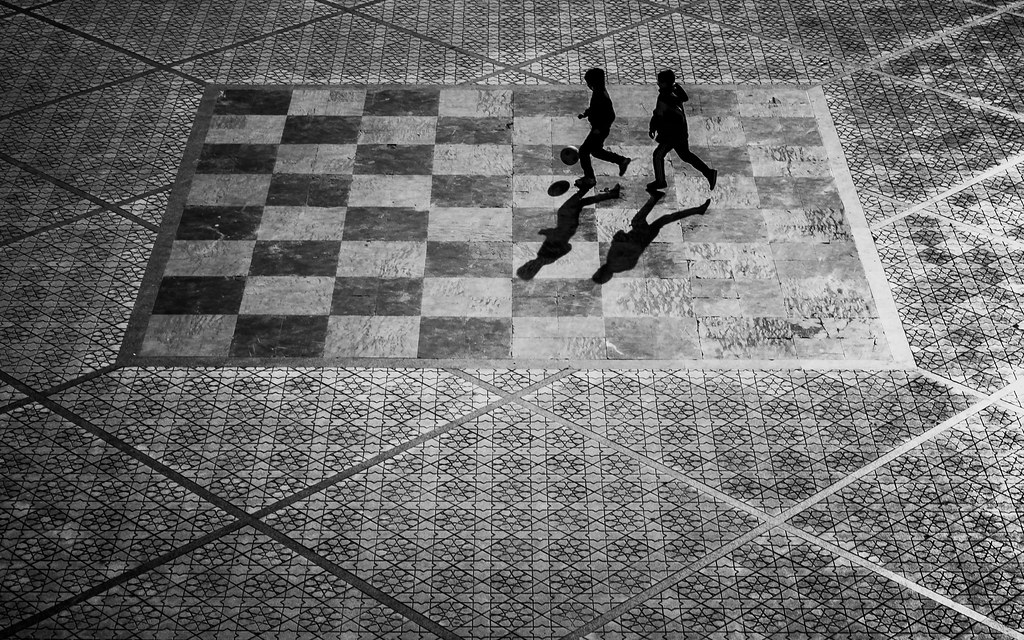
the medina's main square, overlooked by the 15th-century kasbah at one end — cafés ring the square, and it's at its best after dark once the lanterns come on.

the old fortress at the square's edge holds a garden and a small museum of local costume and instruments; the tower gives the best elevated view of the blue rooftops short of hiking out of town.
.jpg)
a 30-45 minute walk up the hillside east of the medina, crossing the stream where locals still do laundry, to an unfinished 1920s mosque abandoned because residents refused to use it — best timed for sunset.

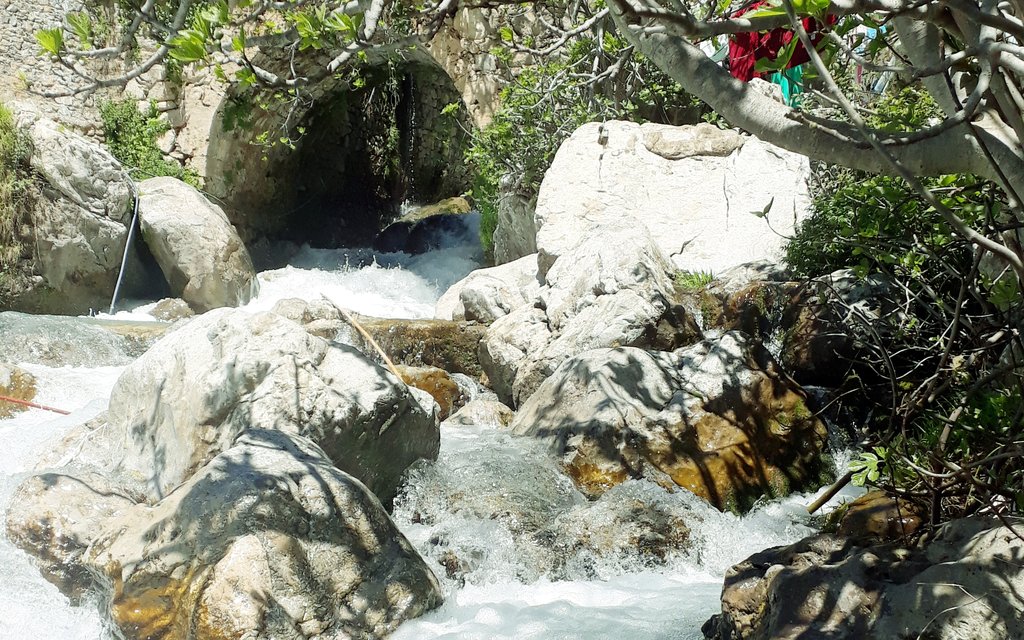
the cascading water source at the edge of the medina where the town gets its washing and drinking water, and still an active local gathering point.

in Talassemtane National Park, about 45 minutes away by shared taxi — a river-gorge trail leads past swimming pools to a natural limestone arch, best May to September for swimming.

the medina's shops sell hand-spun, hand-dyed wool blankets in the region's distinctive blue-white-red striped pattern, woven by rural Jbala women; the Ensemble Artisanal is a fixed-price place to see it made.
The blue city's most polished stay — Andalusian courtyard, indoor pool, and mountain views from the roof.
View this staySweet family-run guesthouse in the blue medina — simple rooms, warm hosts, rooftop breakfast.
View this stayGarden retreat beside the Ras el-Ma spring — terraced grounds, pool, and the medina a short stroll away.
View this stayA judge's former home turned family-run hotel — blue-medina courtyard, rooftop khaima tent, and three brothers running the show since 2007.
View this stayThirteen rooms and an owner named Ahmed who reviewers credit, again and again, with planning their whole Chefchaouen stay.
View this stayApartment-style rooms and a genuine outdoor pool with mountain views — space and a swim, just outside the tightly-packed blue medina.
View this stayA cloud-top hillside hotel above the medina, reached by 150 stairs, with an infinity pool and unmatched blue-city views.
View this stayA 500-year-old Andalusian-quarter riad in Chefchaouen's medina, with two mountain-view terraces and zellige tilework.
View this stayA cash-only budget guesthouse by Bab El Hammar gate, prized for its breakfast and warmly personal staff.
View this stayA well-located Bab Souk guesthouse blending Andalusian design and blue-medina craftsmanship, rooms run small.
View this stayA family-run riad outside central Chefchaouen with an indoor pool, once called the city's best by a 10-visit repeat guest.
View this stayA modern 5-room guesthouse on Avenue Hassan II in Chefchaouen with soundproofed rooms; independent review coverage is still thin.
View this stayFive more regions, each with its own character and its own hand-picked stays.
Riads in the medina, between Jemaa el-Fna and the souks.
Browse stays →The world's largest car-free medina, and where to stay in it.
Browse stays →A walled Atlantic port town, windswept and unhurried.
Browse stays →Kasbahs and mountain lodges around Imlil, Asni and Ourika.
Browse stays →Desert camps and kasbahs on the road to the dunes.
Browse stays →Morocco's working capital — imperial history without the crowds.
Browse stays →Moulay Ismail's monumental gates, and the gateway to Volubilis.
Browse stays →Port city energy, an Andalusian medina, and a whitewashed art town.
Browse stays →