Heure Bleue Palais
Colonial-era elegance inside the ramparts — billiard room, cinema, and the town's only rooftop pool.
View this stayIllustrative photo of Essaouira — property galleries are on each booking page.
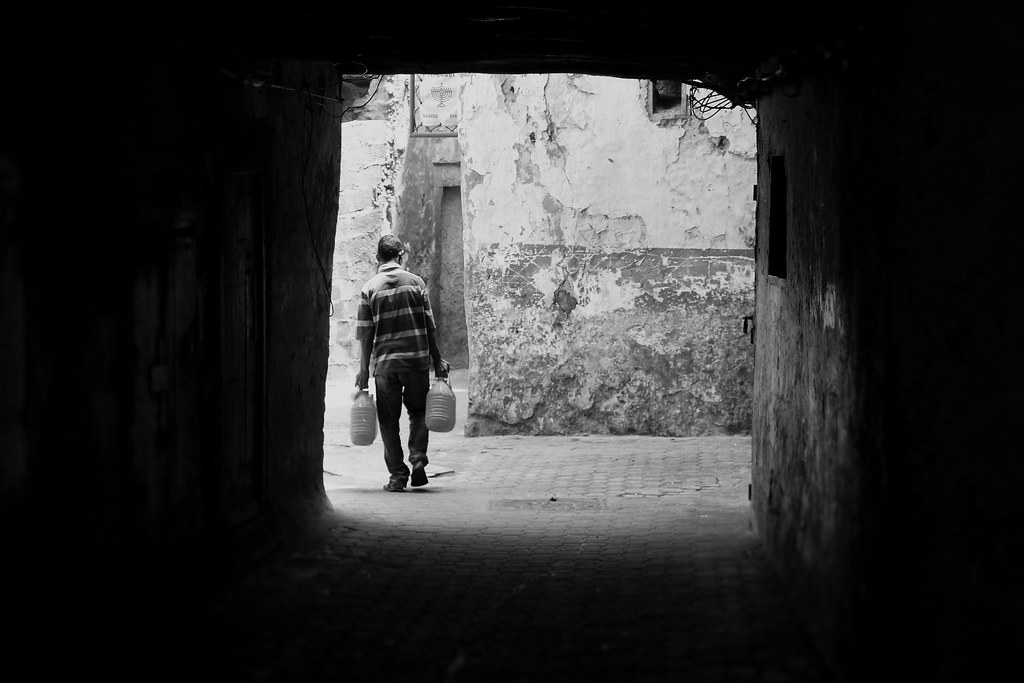
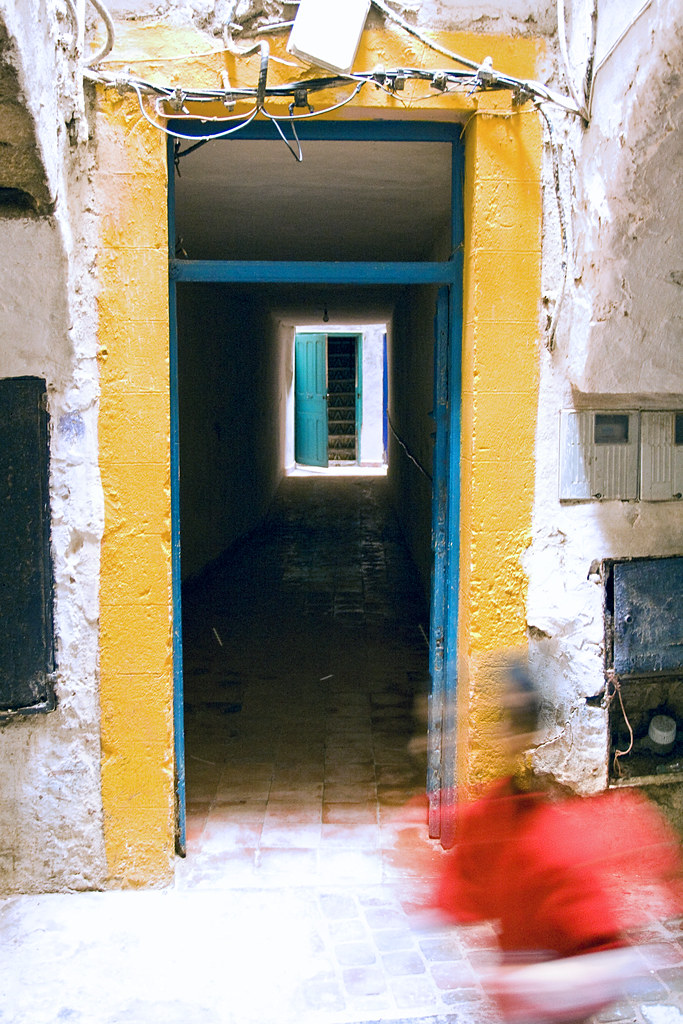
A fortified Atlantic port built to a French military engineer's grid, not the medina's usual organic tangle — here's what Essaouira is actually like, and every stay we'd book there ourselves.
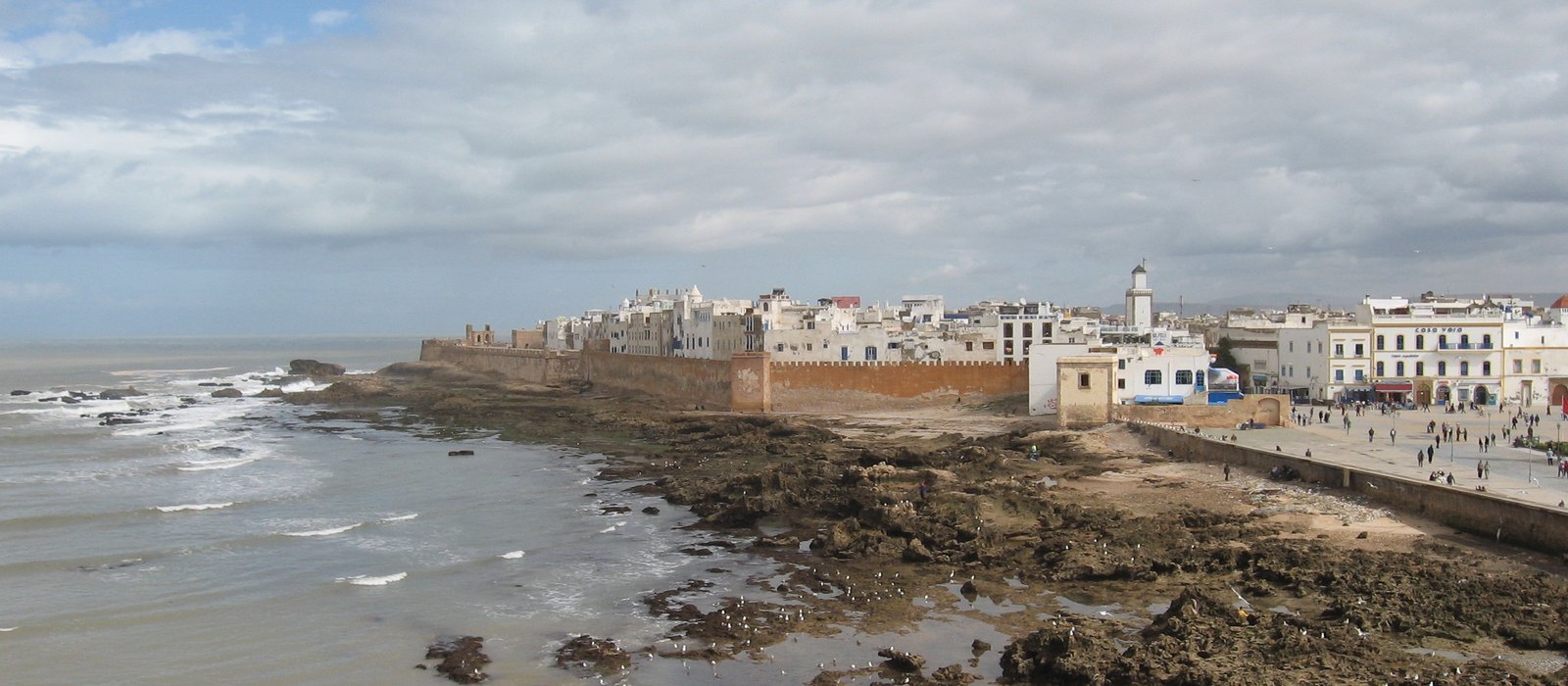
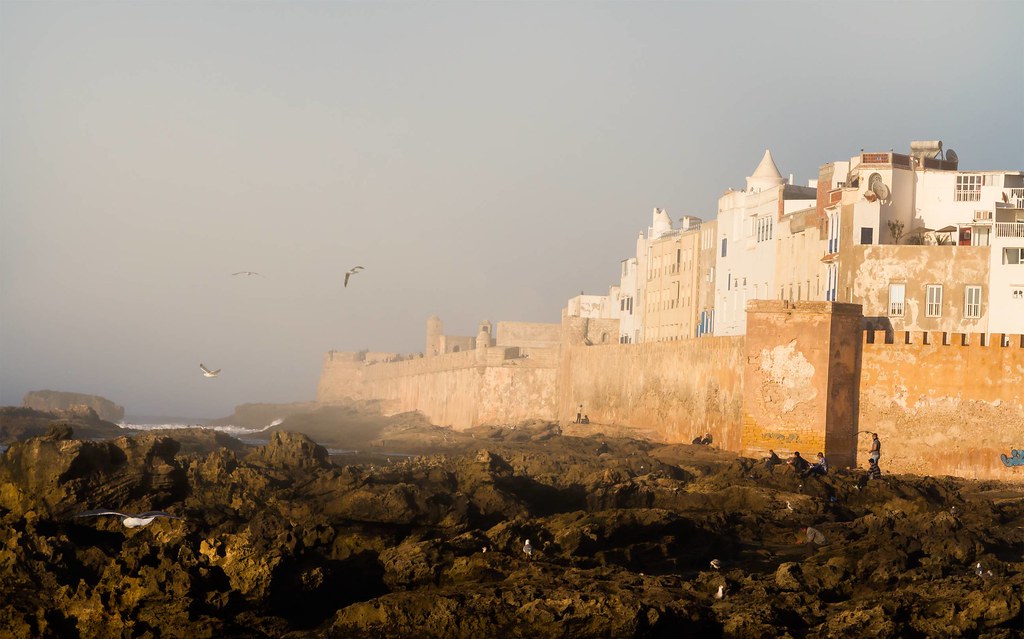
Essaouira sits on a spit of rock on Morocco's central Atlantic coast, its medina still ringed by 18th-century ramparts built for Sultan Mohammed III by a French military engineer trained in Vauban's fortification school — which is why the town has the grid-like symmetry of a planned garrison rather than the organic tangle of Marrakech or Fes. The Alizé trade wind blows through almost daily, rattling shutters and keeping the town noticeably cooler than inland Morocco even in August; locals call it "the wind city" without much affection.
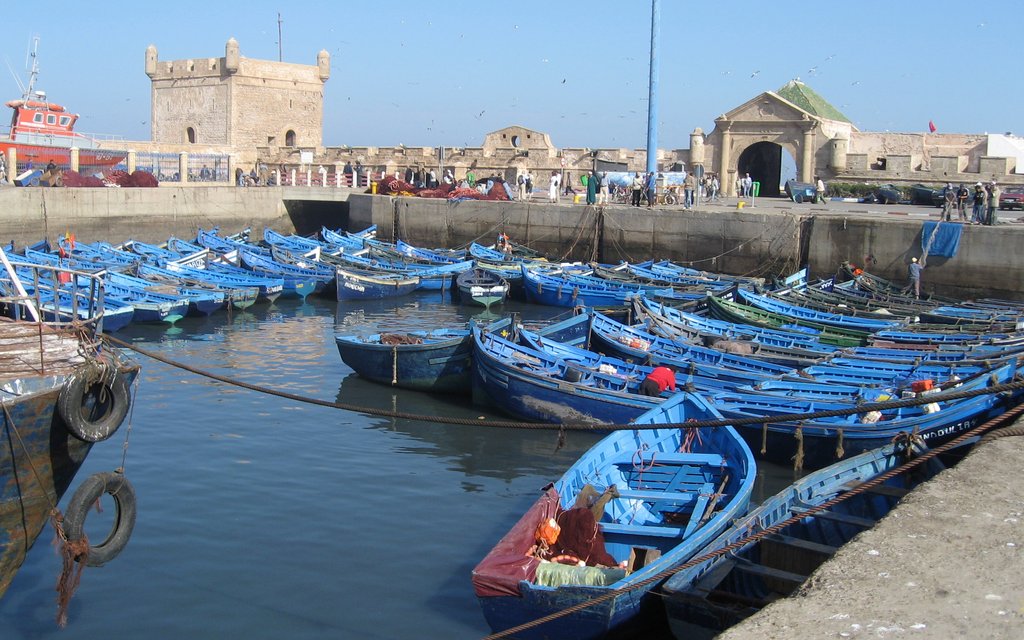
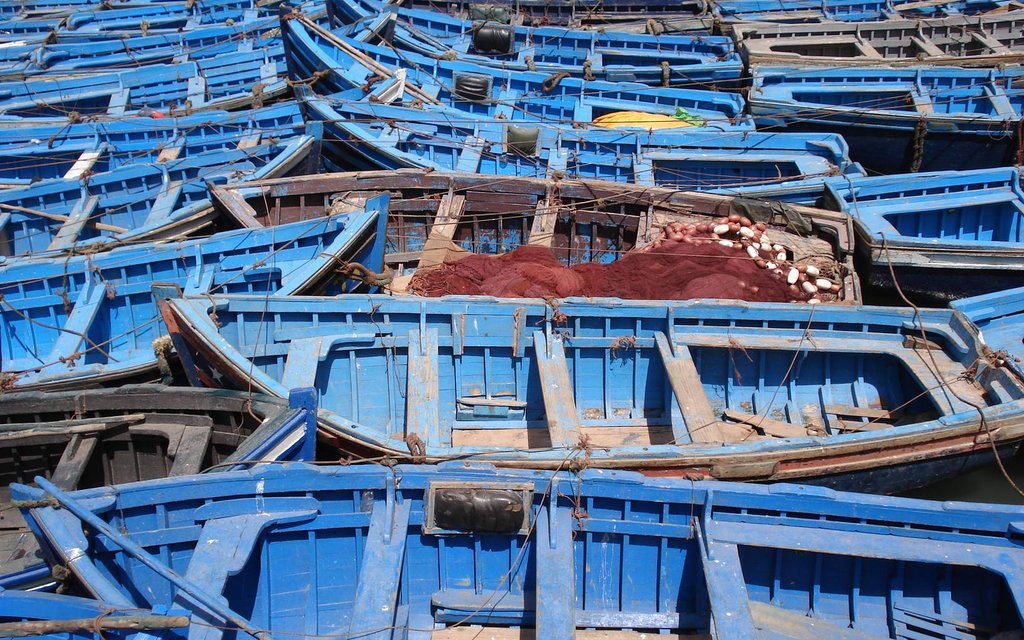
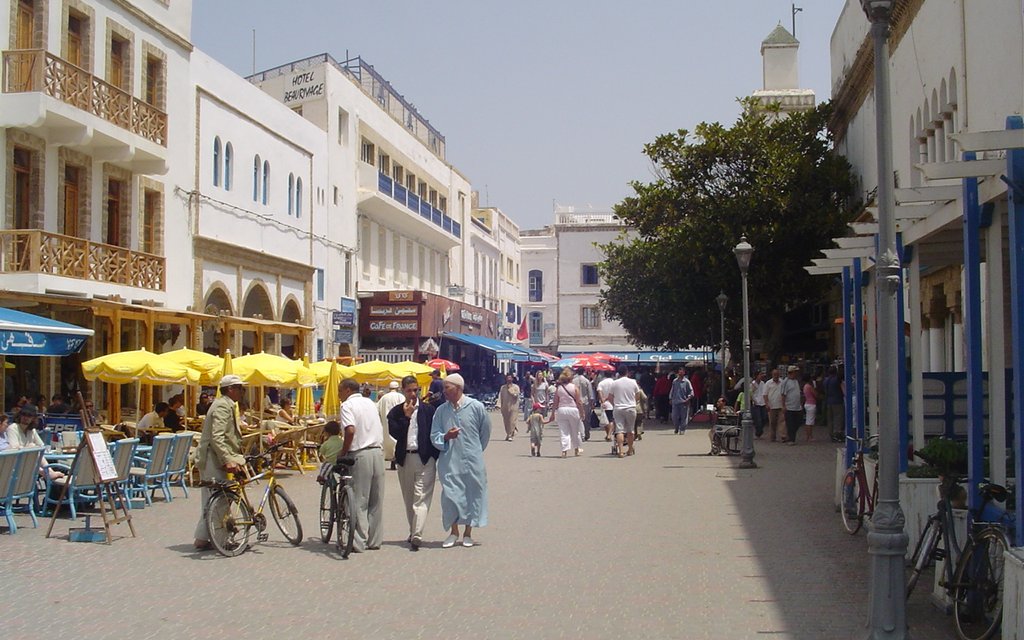
Mornings start at the fishing port, where blue wooden boats unload sardine and squid straight onto the quay and gulls fight over the scraps. The souks inside the walls are smaller and calmer than Marrakech's, built around the town's own trades — thuya-wood marquetry workshops line the streets near the port, sawdust in the air as much a signature of the place as salt spray. Days end on the ramparts, where the Skala de la Ville's row of bronze cannons faces a sea that turns copper at sunset. It's compact and walkable — the whole medina crosses in about fifteen minutes — with an unhurried, art-and-surf-town character that feels closer to a small European coastal town than a Moroccan imperial city.

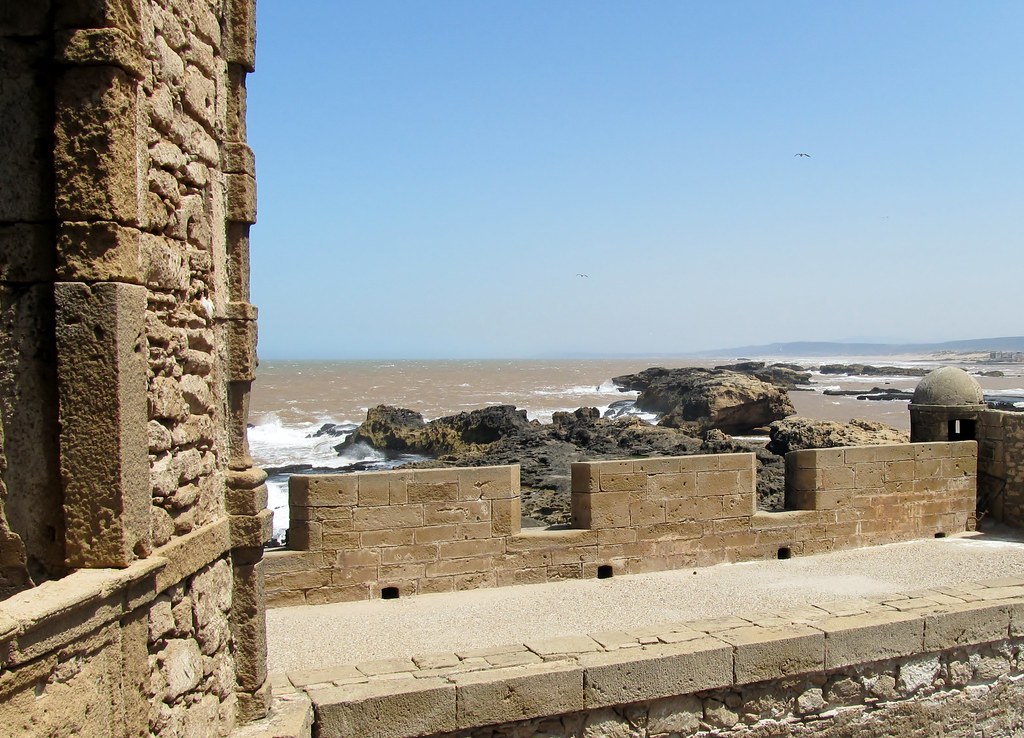
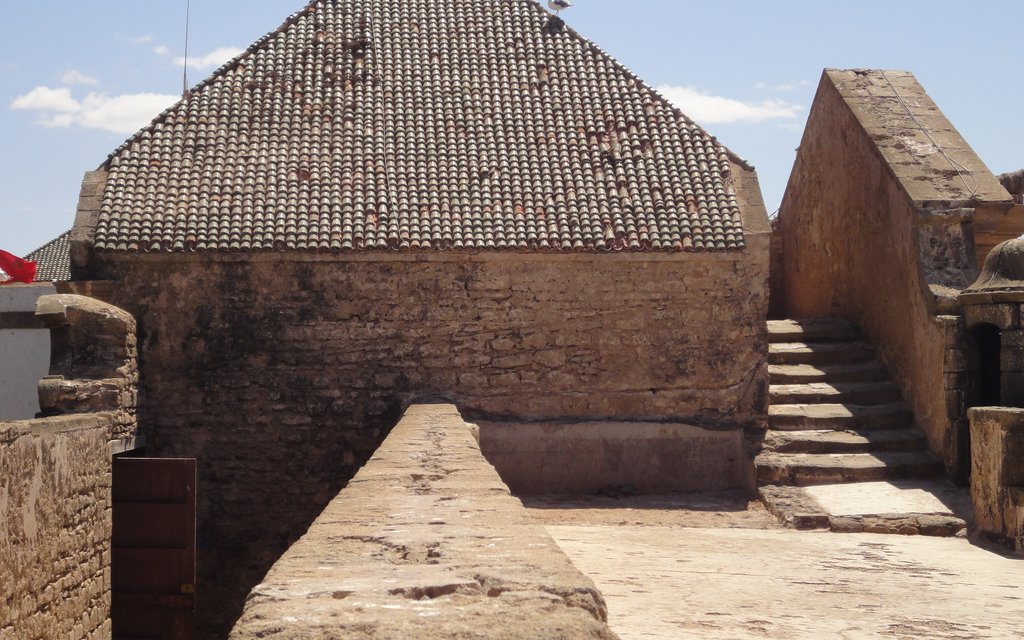
the 18th-century sea wall lined with bronze cannons facing the Atlantic — Orson Welles filmed sword-fight scenes here for his 1952 Othello, and it's still the classic elevated view back over the medina.

pass through the fortified gate into the working port, where the day's catch is unloaded and small stalls grill it to order right at the quayside.

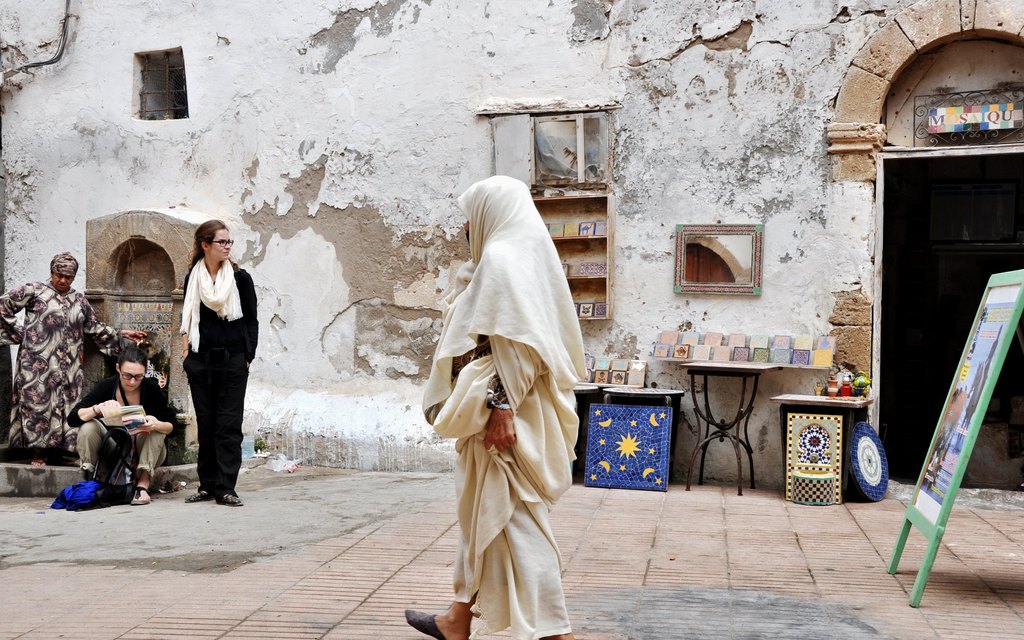
Essaouira is the only place in the world where thuya, a cypress-like burl wood native to this coast, is worked into inlaid boxes and furniture — several open workshops near the port let you watch it cut and finished.

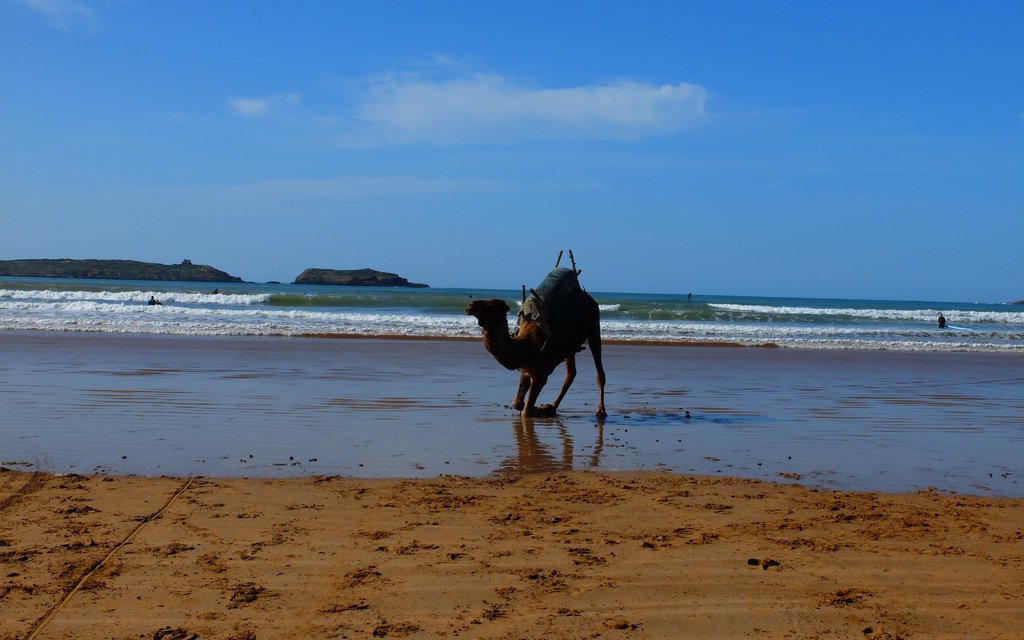
the steady, cross-shore Alizé wind and shallow, sheltered water make this one of North Africa's best spots for beginners; wind is most consistent June to August.

a Jewish heritage museum opened in 2020 inside the restored 1882 Simon Attias Synagogue in the mellah, documenting Essaouira's once-large Jewish merchant community.
_musicians_performing_during_the_2010_Gnaoua_festival_in_the_city_of_Essaouira,_Morocco.jpg)
held each June, this three-day festival built around Gnaoua trance music draws several hundred thousand visitors and dominates the town's calendar — book well ahead if your dates overlap.
Colonial-era elegance inside the ramparts — billiard room, cinema, and the town's only rooftop pool.
View this stayEssaouira's original riad hotel: whitewashed rooms, blue shutters, ocean air, and open fires in winter.
View this stayA riot of technicolour zellige on the sea wall — maximalist interiors and a rooftop facing the Atlantic.
View this stayQuiet 18th-century house near the souk — tall ceilings, hand-plastered walls, a hot tub on the roof.
View this stayA 19th-century seafront residence turned riad — floor-to-ceiling windows open straight onto the Atlantic, no need to leave the medina for an ocean view.
View this stayA family-run guesthouse five minutes from the souks and the beach — home-cooked breakfast, argan-oil treatments, and owners who actually run the place.
View this stayA nine-room courtyard riad near Bab Marrakech, with a blue-toned rooftop terrace that catches 360° views of medina and ocean both.
View this stayBuilt directly into Essaouira's sea wall — the ocean is the soundtrack, not just the view.
View this stayA large beachfront resort with two pools and direct beach access — the conventional-hotel alternative to Essaouira's boutique riads.
View this stayA countryside ksar-style retreat twenty minutes from Essaouira, with two heated pools and a kitchen garden feeding its own restaurants.
View this stayA small, no-frills riad near a medina gate, run by owner Luigi, rated 9.1/10 on Booking.com for cleanliness and value.
View this stayA 6-room riad with spa treatments and rooftop views, rated 4.6/5 on TripAdvisor from 80 reviews.
View this stayFive more regions, each with its own character and its own hand-picked stays.
Riads in the medina, between Jemaa el-Fna and the souks.
Browse stays →The world's largest car-free medina, and where to stay in it.
Browse stays →Morocco's blue city, tucked into the Rif Mountains.
Browse stays →Kasbahs and mountain lodges around Imlil, Asni and Ourika.
Browse stays →Desert camps and kasbahs on the road to the dunes.
Browse stays →Morocco's working capital — imperial history without the crowds.
Browse stays →Moulay Ismail's monumental gates, and the gateway to Volubilis.
Browse stays →Port city energy, an Andalusian medina, and a whitewashed art town.
Browse stays →