El Fenn
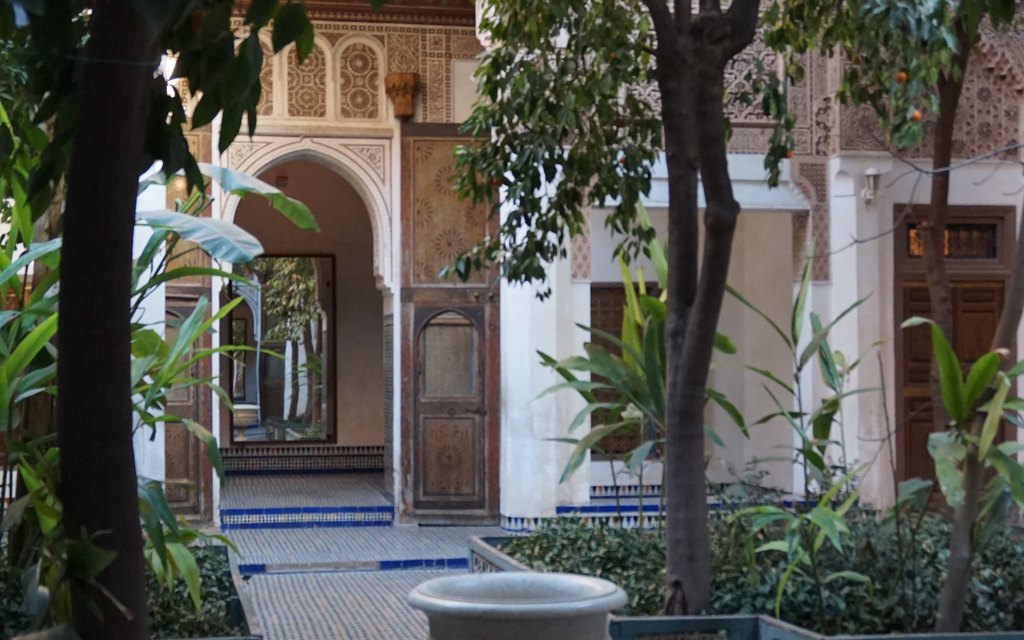
Art-filled boutique riad by the Koutoubia — rooftop pool, bold interiors, and one of the medina's best sunset terraces.
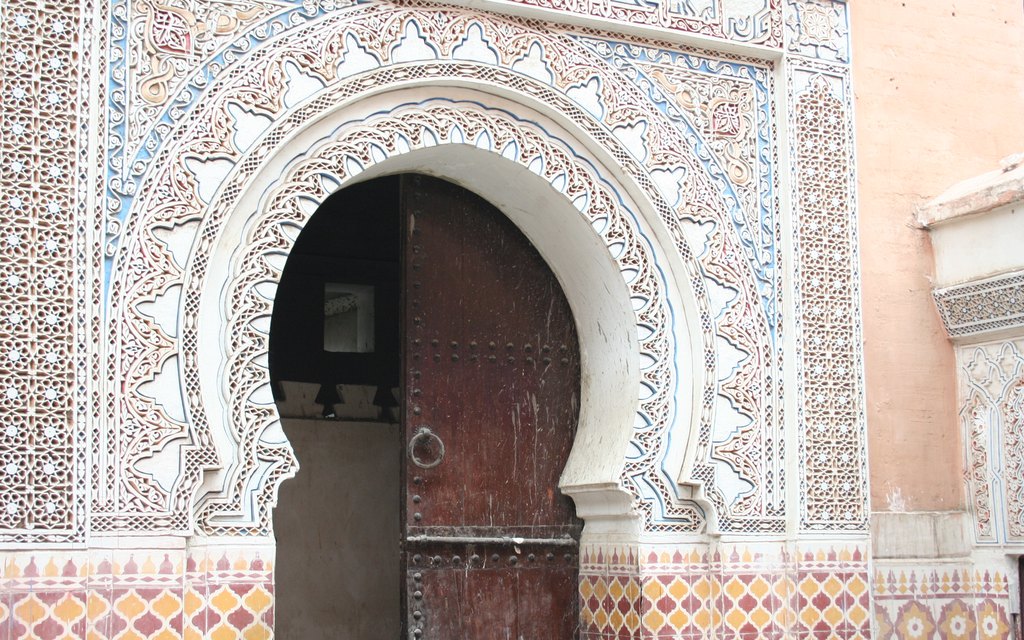
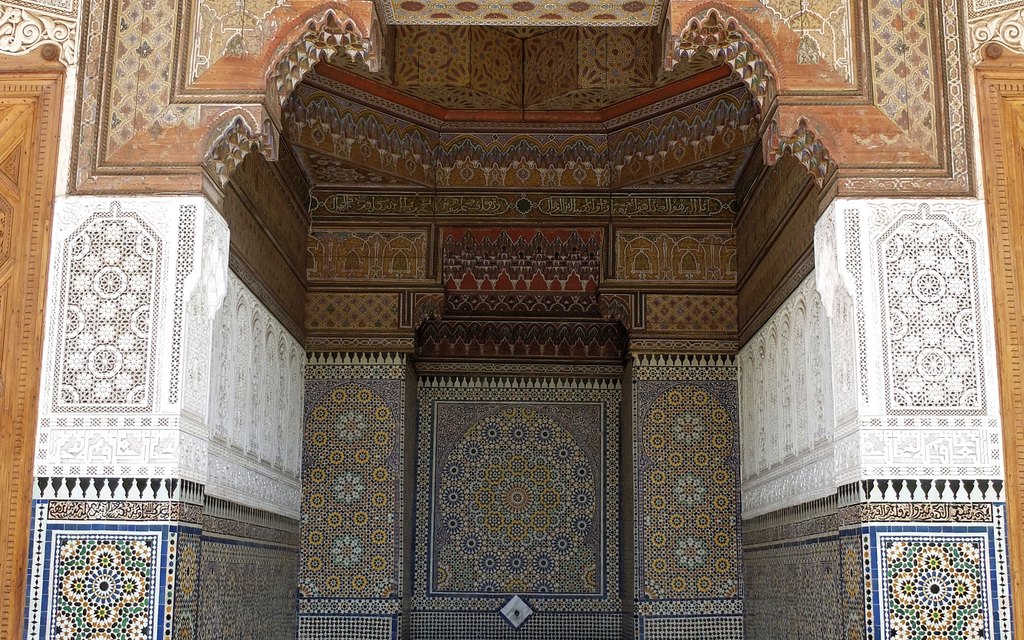
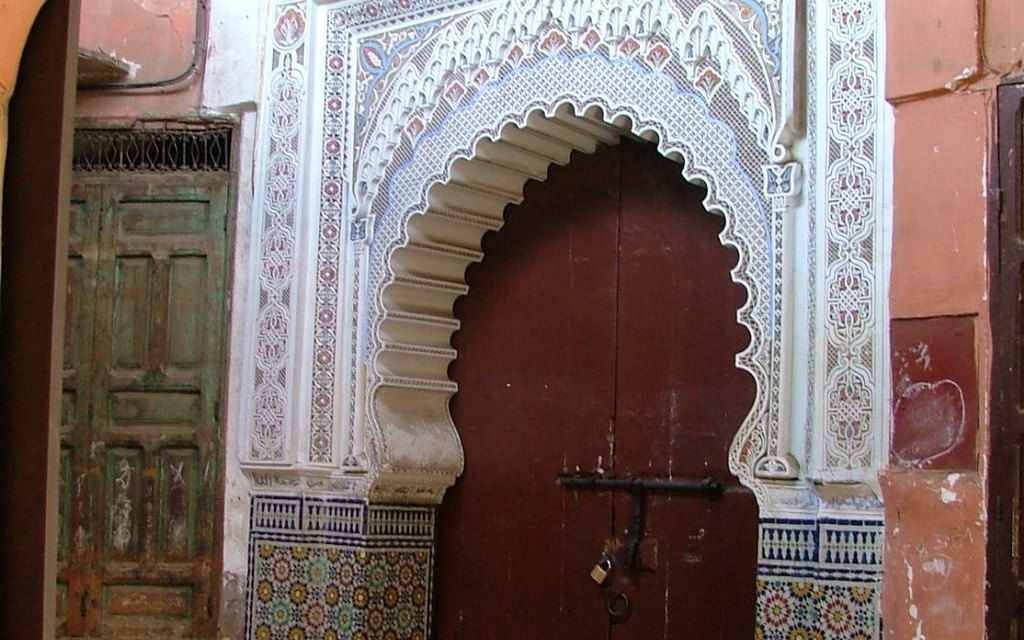
View this stayIllustrative photo of Marrakech — property galleries are on each booking page.
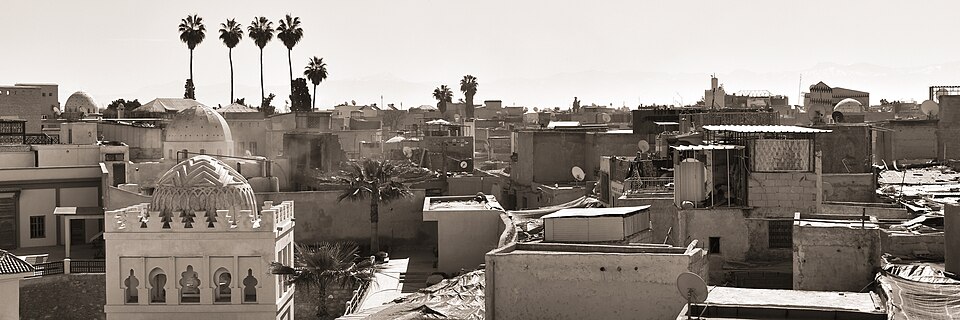
Behind Marrakech's rose-ochre ramparts, riads sit on lanes barely wide enough for a loaded handcart — here's what the medina is actually like, and every stay we'd book there ourselves.
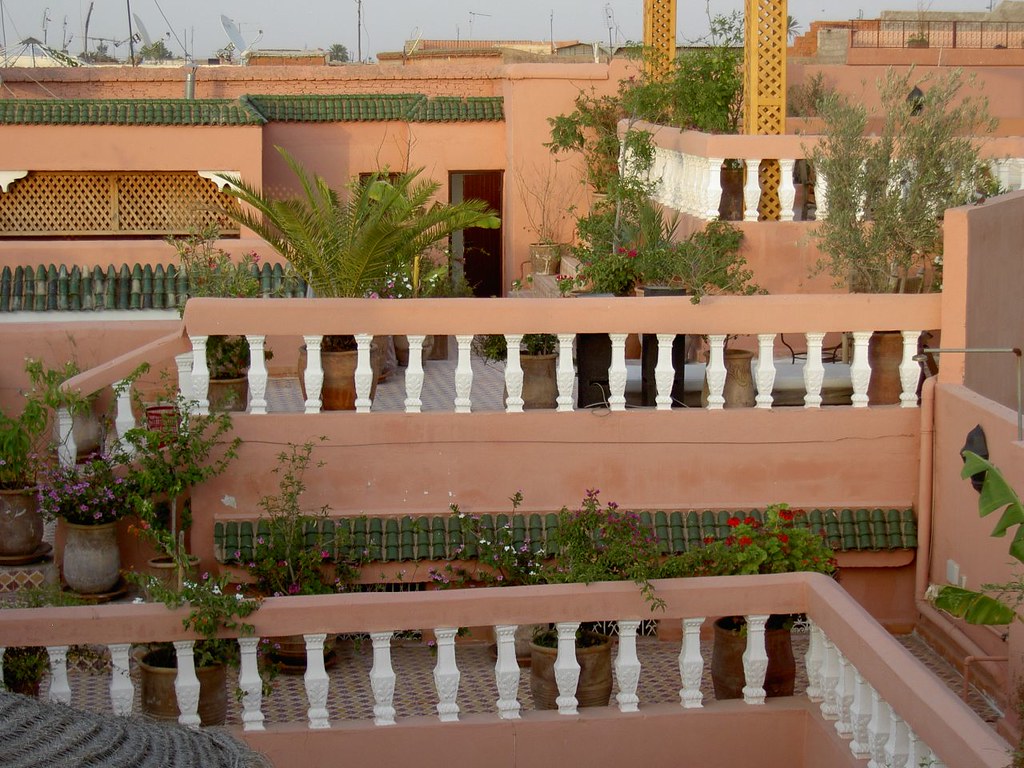
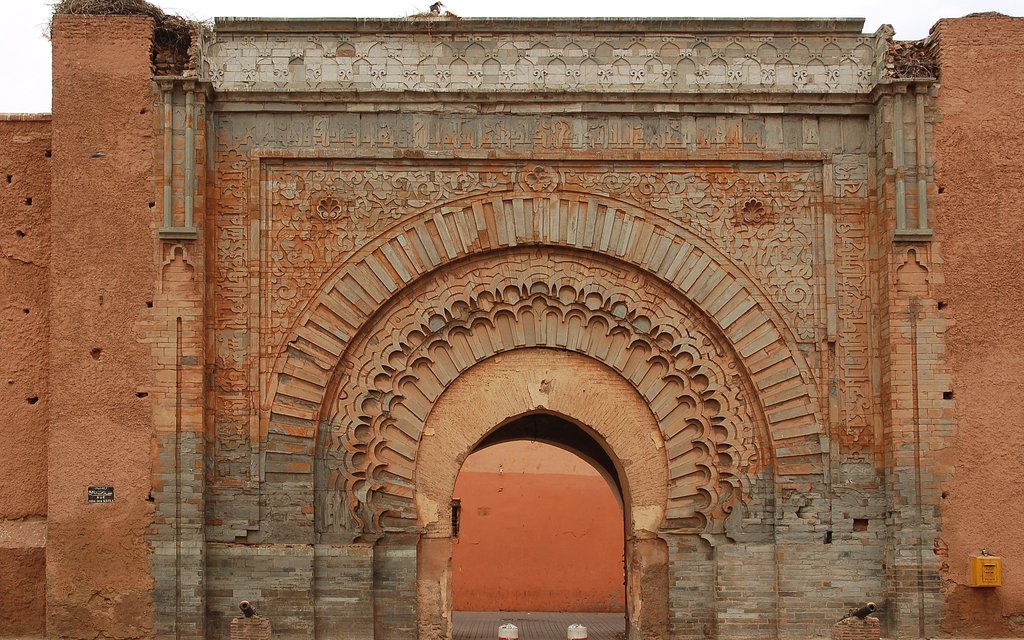
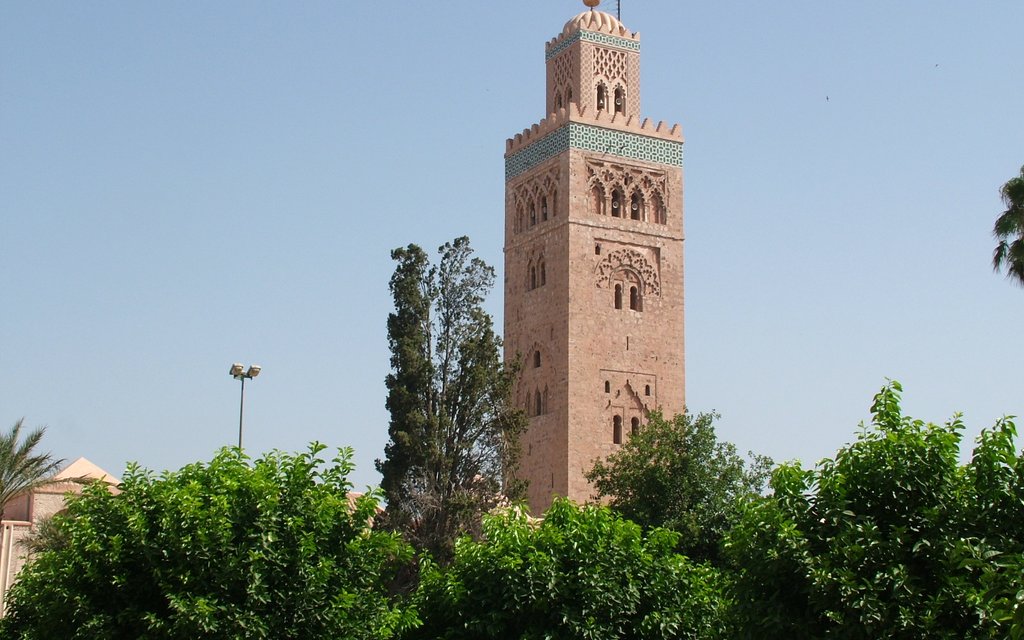
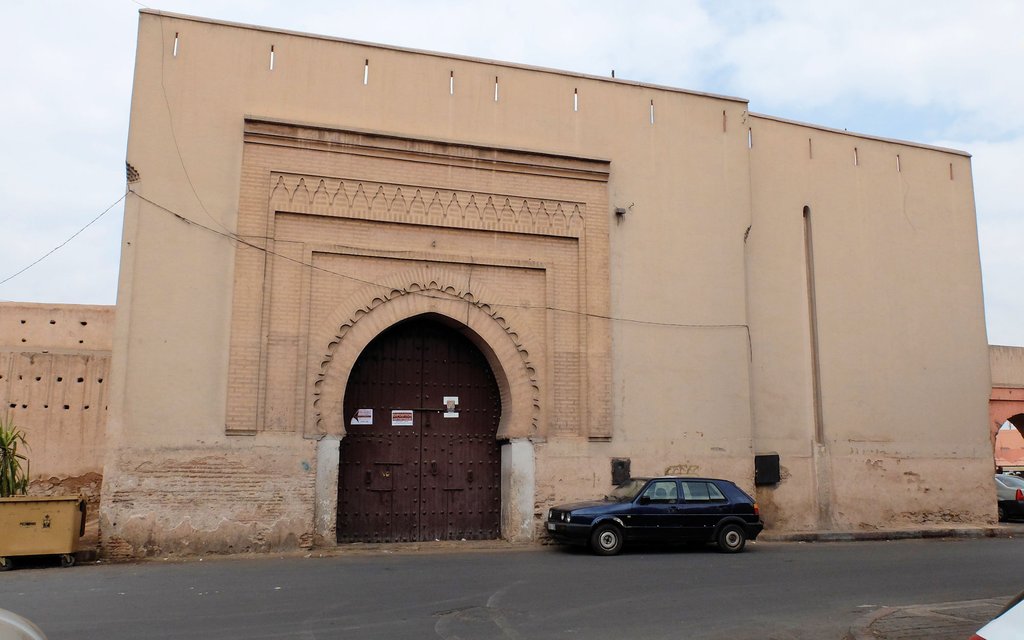
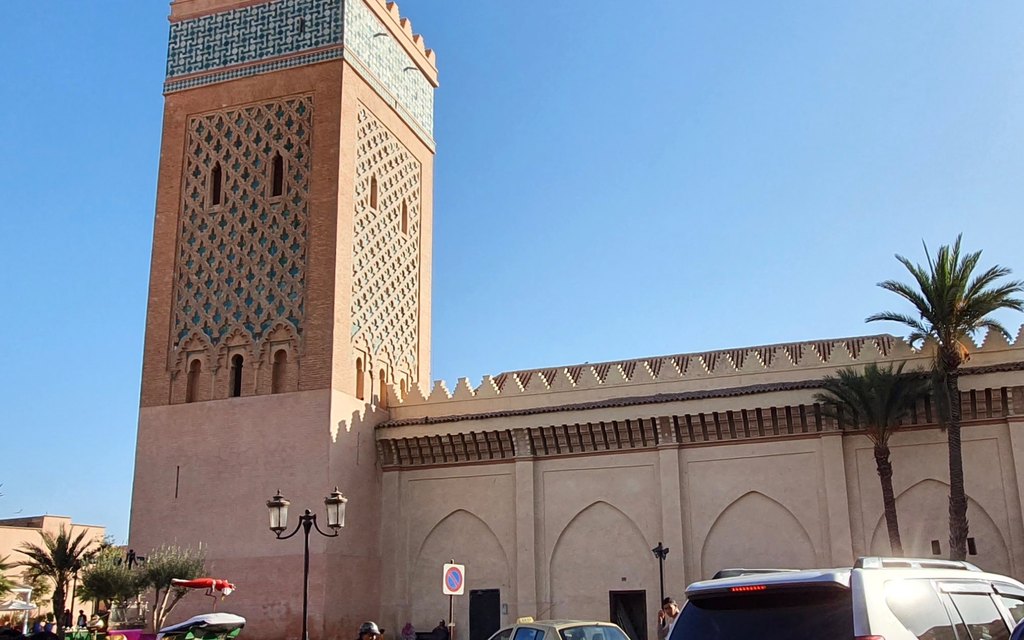
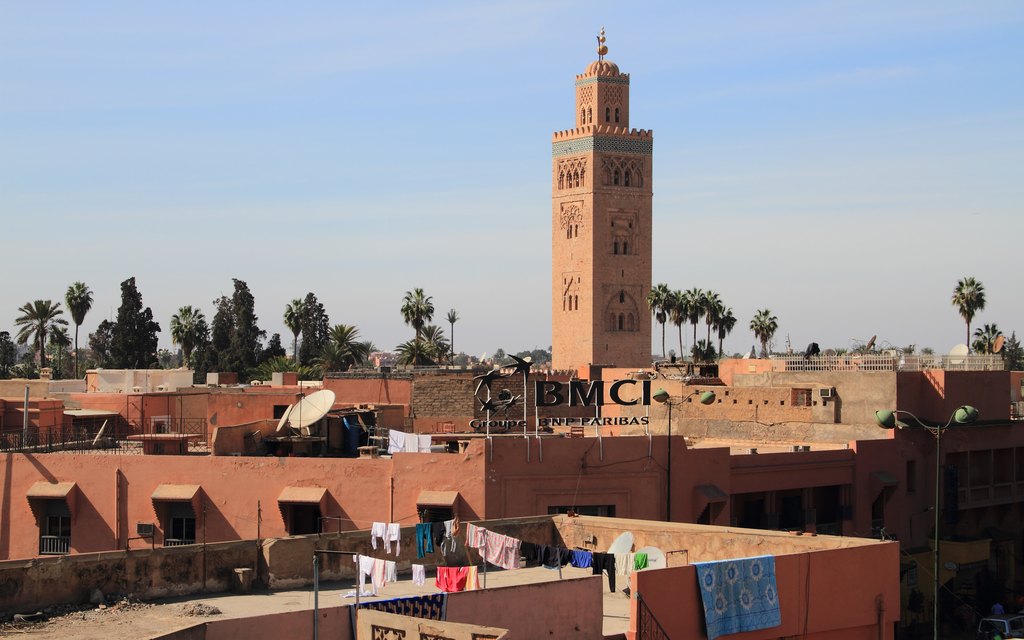
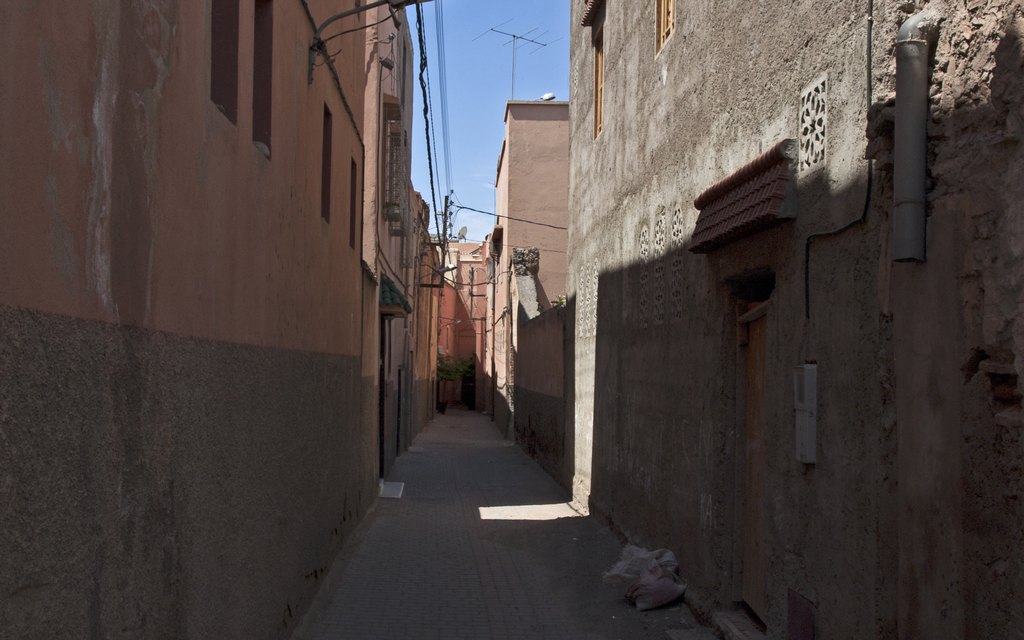
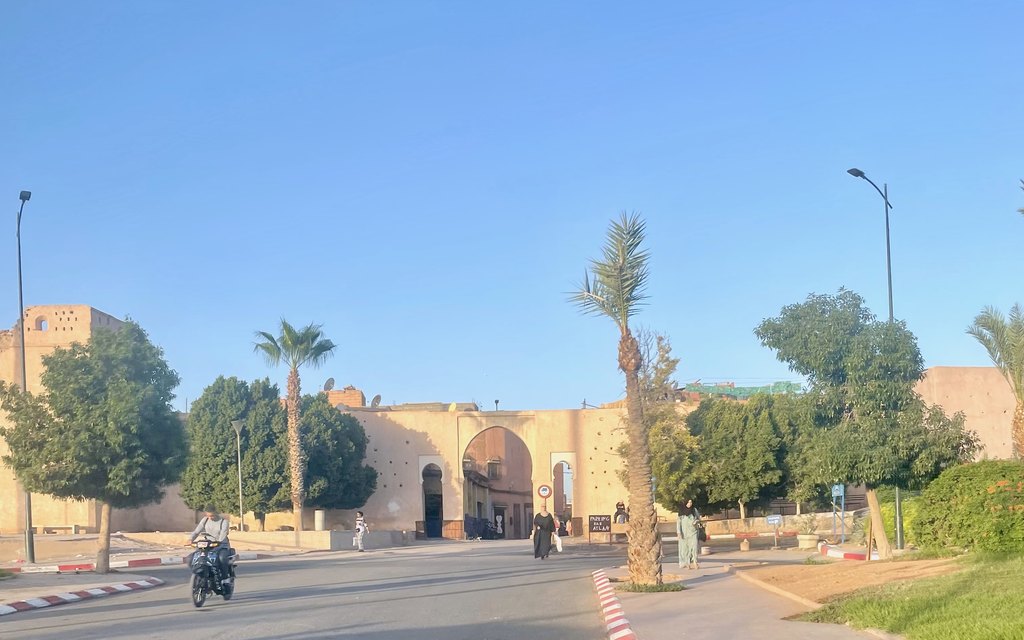
The Marrakech medina is the walled old city founded around 1070 by the Almoravid dynasty, still enclosed by roughly 19 kilometres of rose-ochre ramparts pierced by historic gates like Bab Doukkala and Bab Agnaou. Inside, the street plan predates the automobile entirely: riads sit behind blank, unmarked doors on lanes barely wide enough for a loaded handcart, so most visitors navigate by landmark rather than address, and porters with wooden carts are still a normal part of the traffic. The call to prayer from the Koutoubia Mosque's 77-metre minaret, on the medina's western edge, marks the rhythm of the day across the whole quarter.
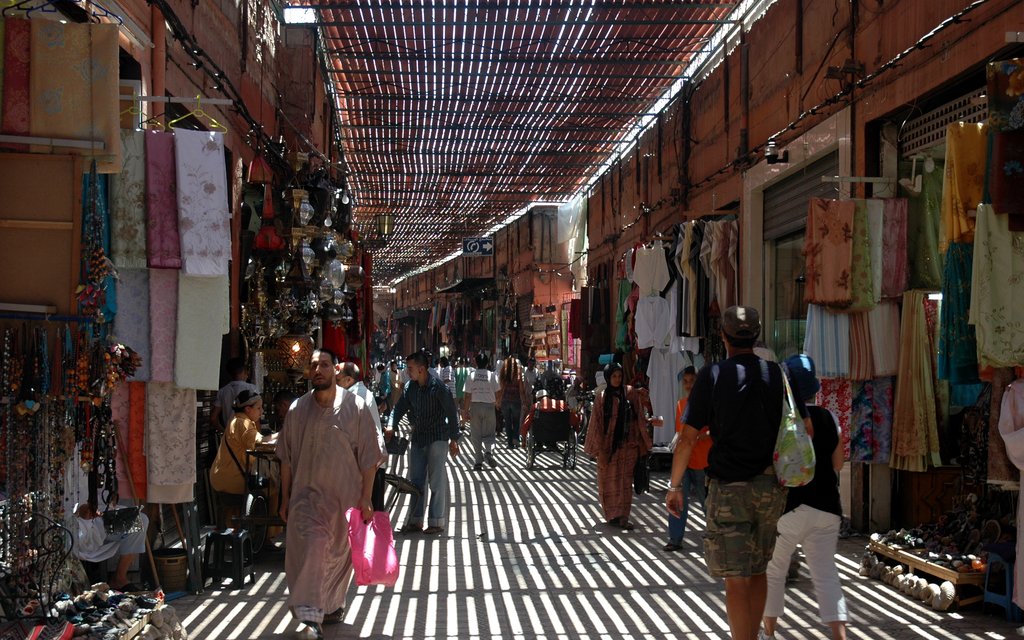
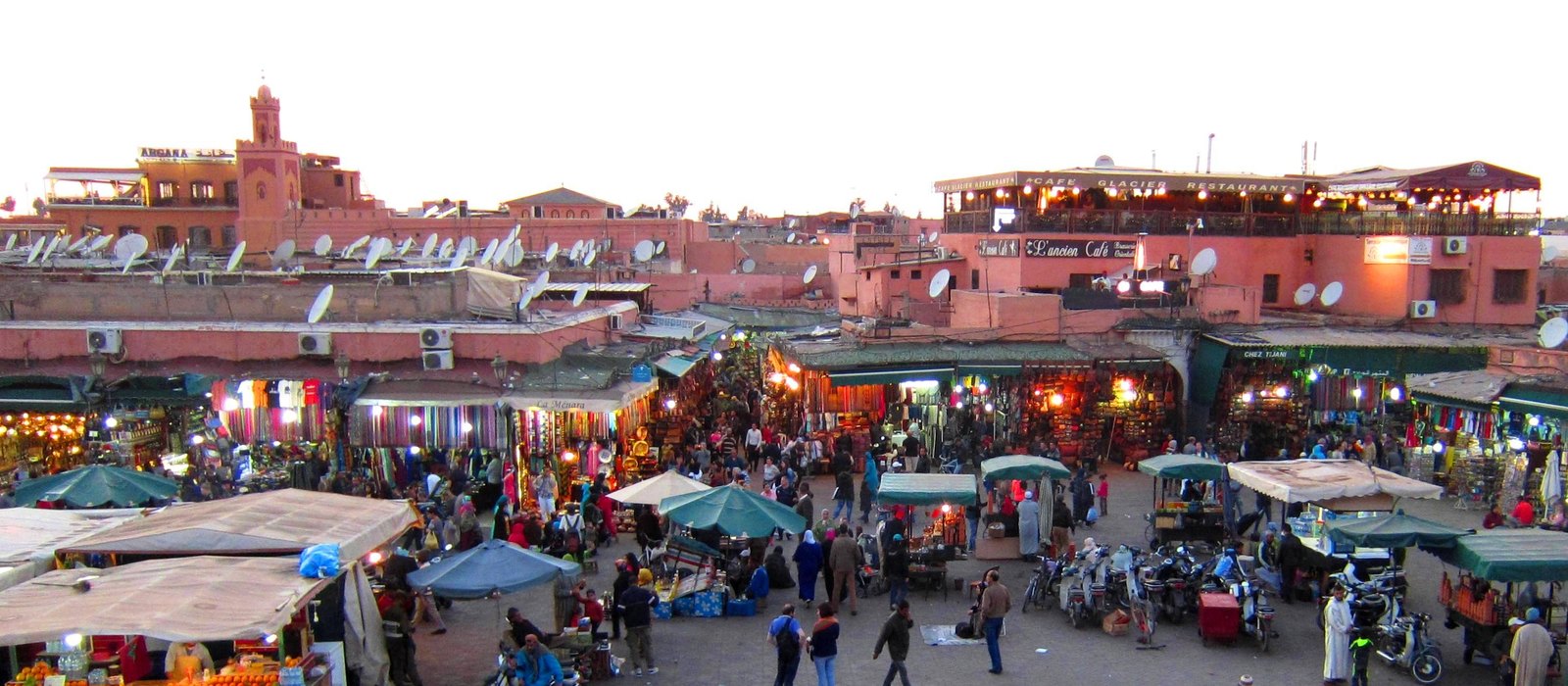
At the centre sits Jemaa el-Fna, a square whose daily transformation — orange-juice carts and henna artists by day, food stalls, musicians and storytellers by night — was significant enough that UNESCO named it a Masterpiece of the Oral and Intangible Heritage of Humanity in 2001, the first site anywhere to receive that designation. Streets radiate outward into a network of roughly eighteen souks — spice, dye, leather, metalwork — among the largest traditional markets in Morocco. Compared with Fes, the Marrakech medina is smaller, flatter and denser with tourism infrastructure, and riads here tend to open directly onto busy commercial lanes rather than the quieter residential alleys typical of Fes el-Bali.
.jpg)
the medina's central square, listed by UNESCO in 2001 as a Masterpiece of the Oral and Intangible Heritage of Humanity for its storytellers, musicians and food vendors — go late afternoon to watch it shift from market to open-air night market.

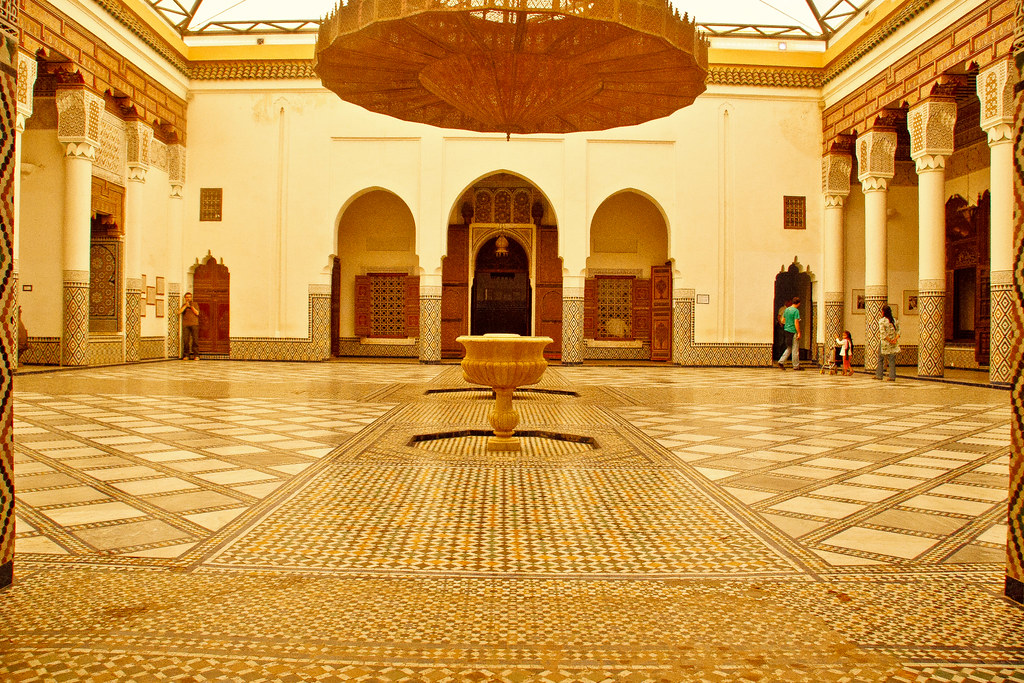
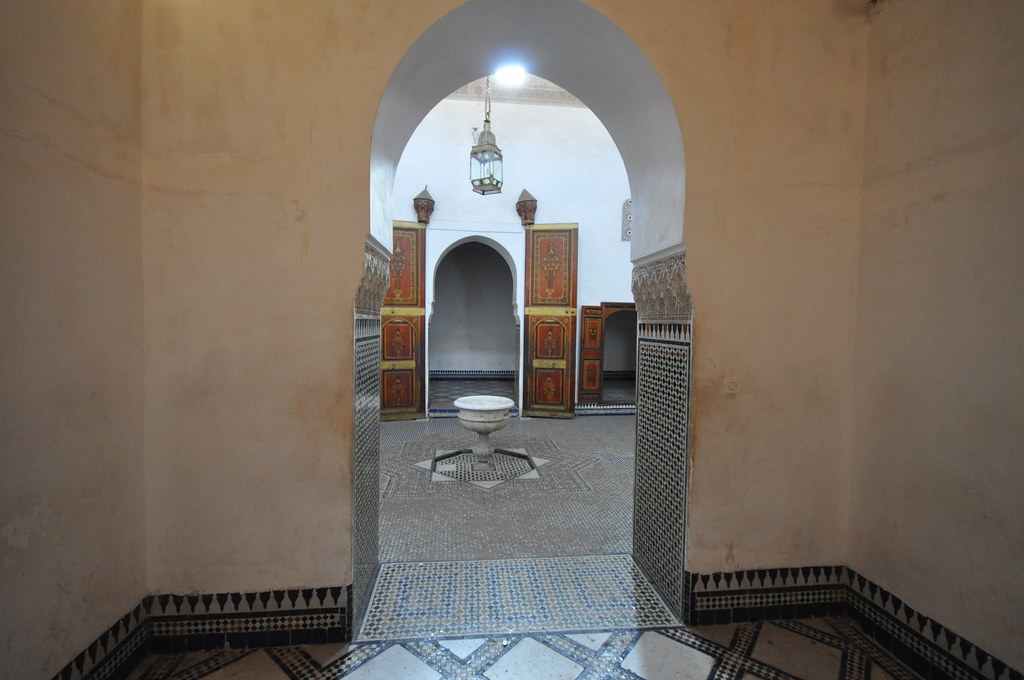
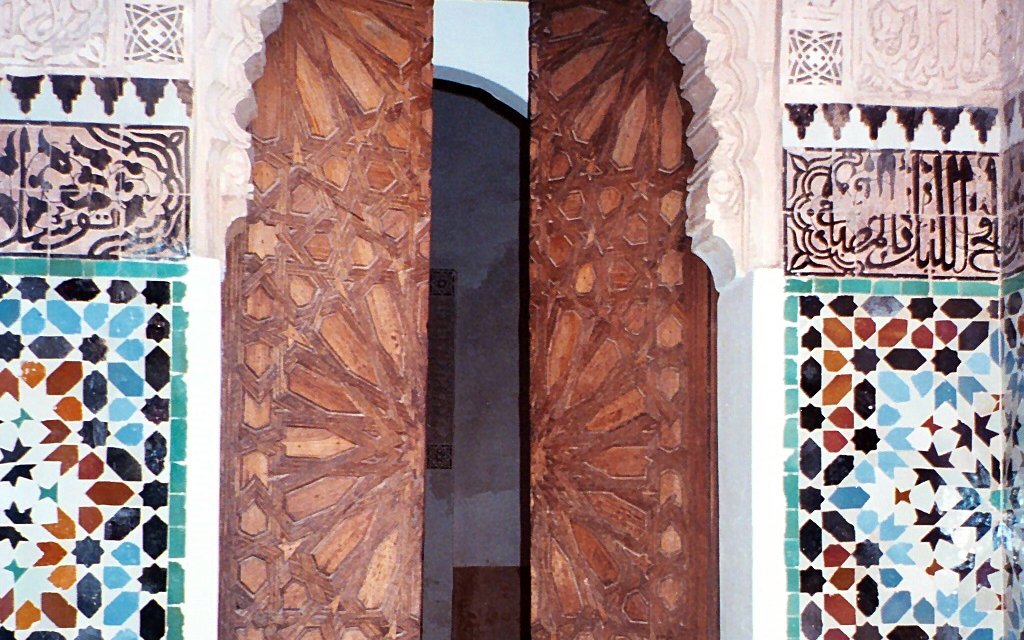
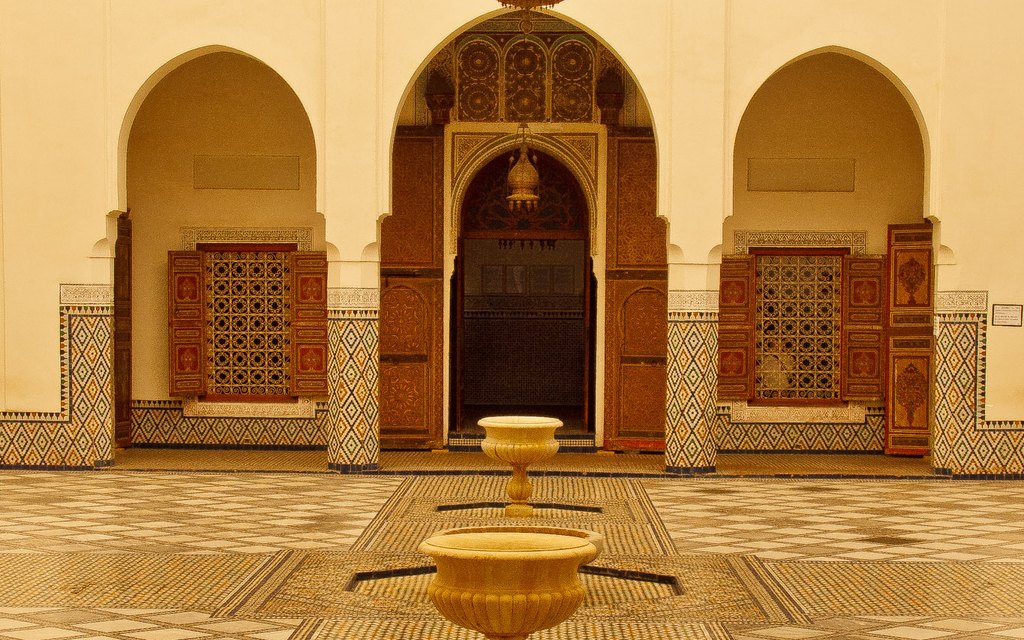
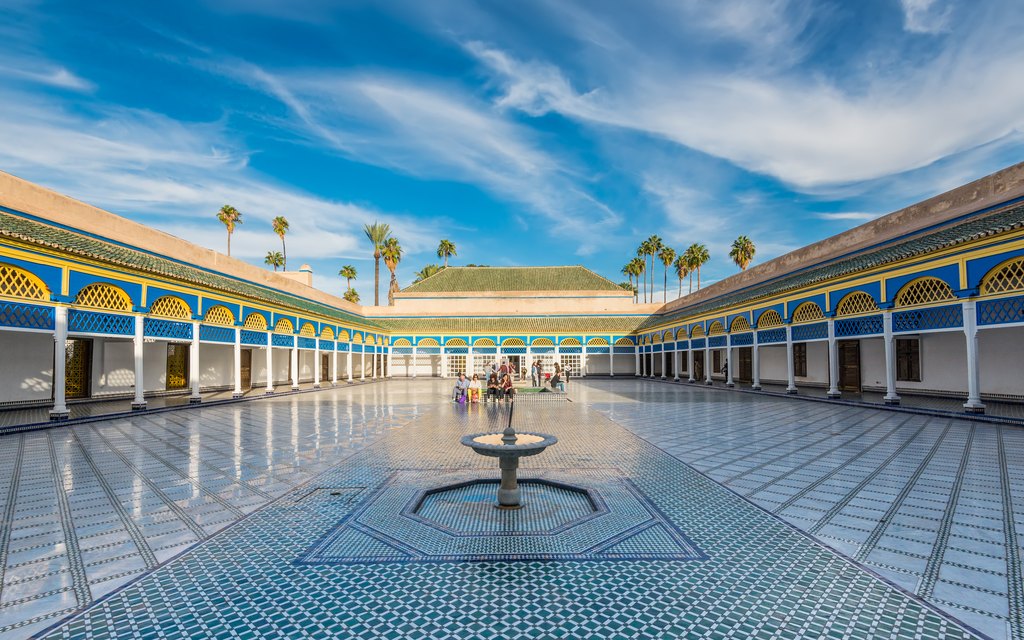
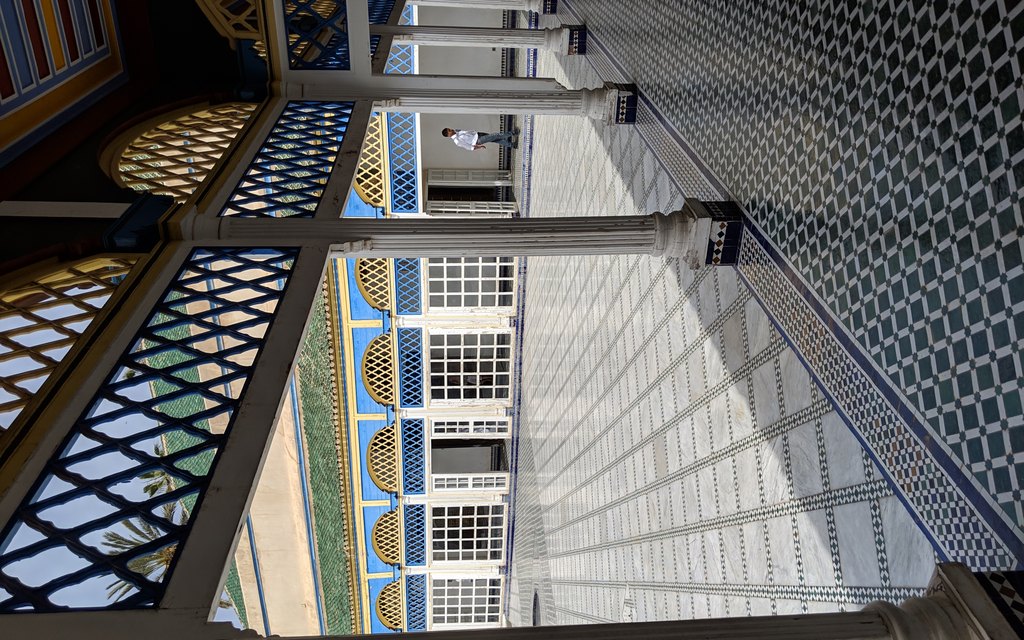
a 19th-century vizier's palace with roughly 150 rooms and courtyards centred on carved cedar ceilings and zellige tilework, begun in 1866 and expanded by the vizier's son.

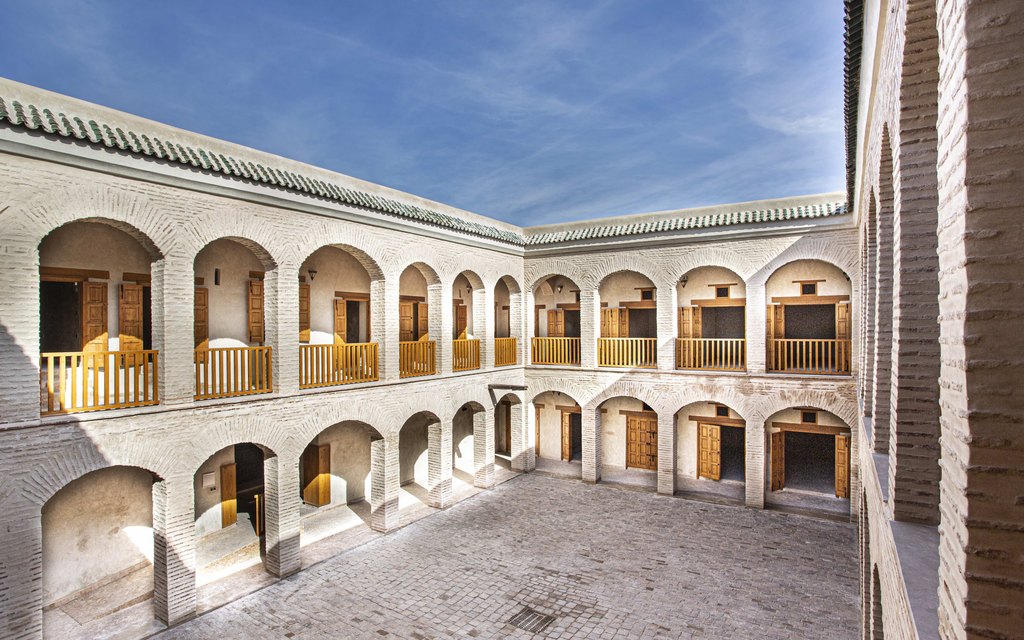
built in 1564-65, once the largest Islamic college in the Maghreb with room for 800 students around a carved-plaster courtyard — reopened in 2022 after a four-year restoration.

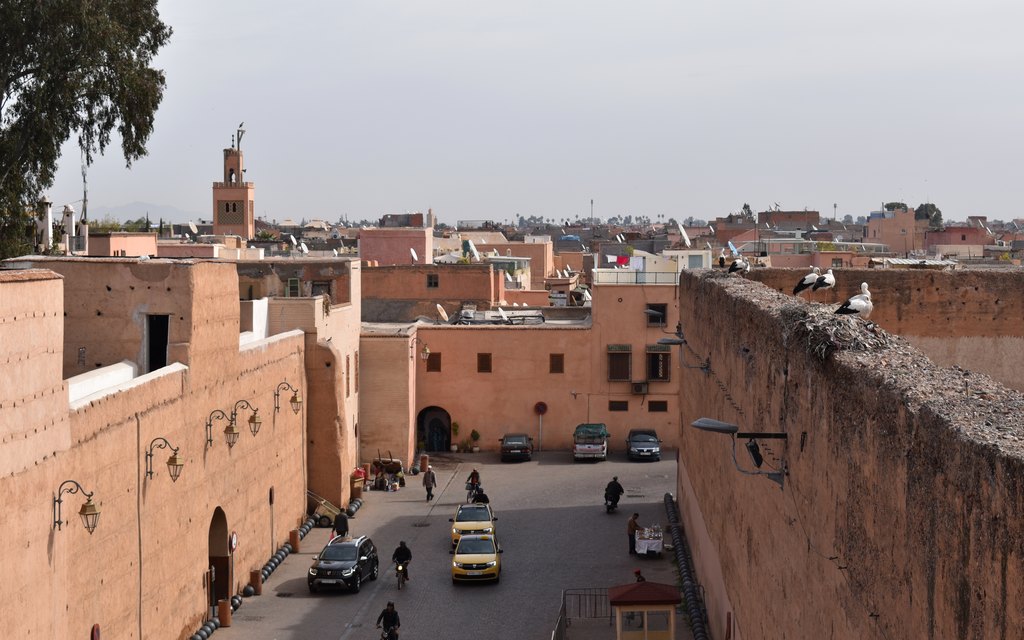
commissioned in 1578 as a diplomatic showpiece finished in Italian marble, stripped for materials after the Saadian dynasty's fall and now an atmospheric ruin — and an active stork-nesting site.

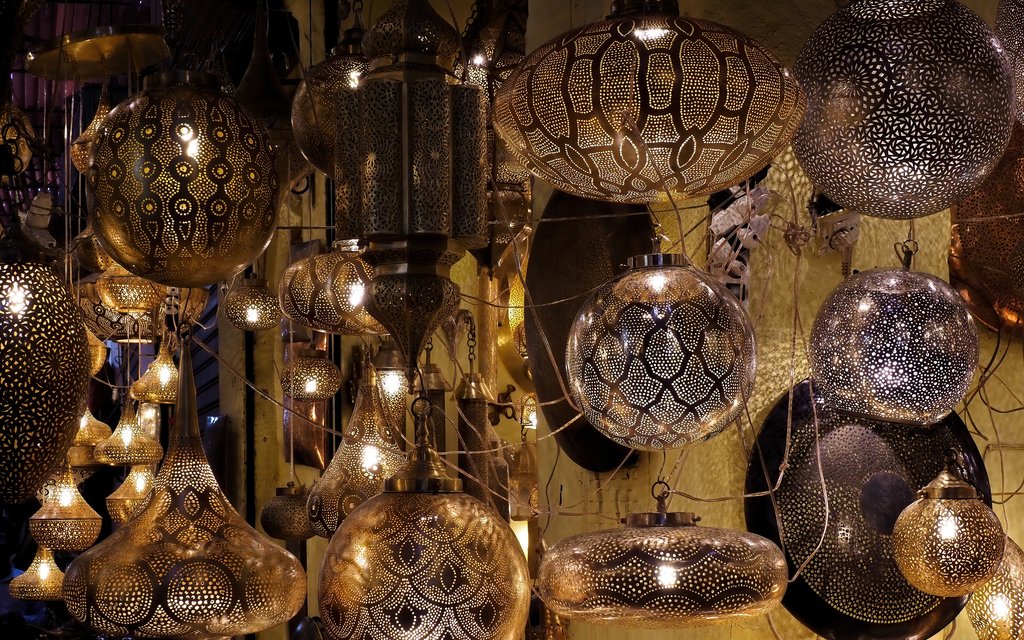
a working market district of roughly eighteen souks organised by trade, from the dyers' souk to the leather souk — go early morning, before the tour groups, for the calmest browsing.

the 16th-century royal necropolis, sealed up and forgotten for centuries until it was rediscovered by aerial survey in 1917; access is through a narrow passage beside the Kasbah Mosque.
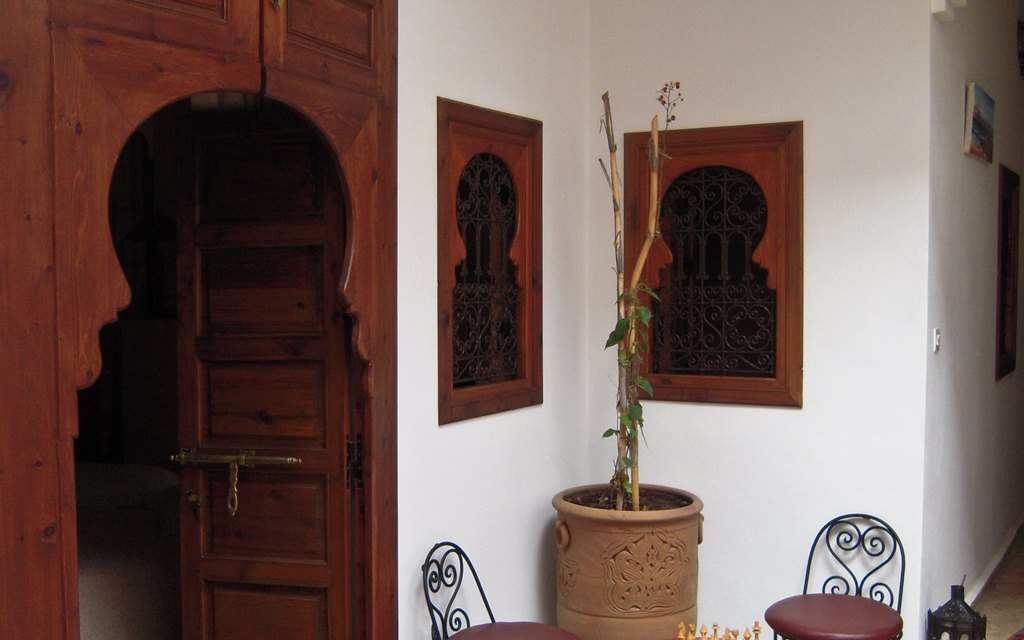
Art-filled boutique riad by the Koutoubia — rooftop pool, bold interiors, and one of the medina's best sunset terraces.
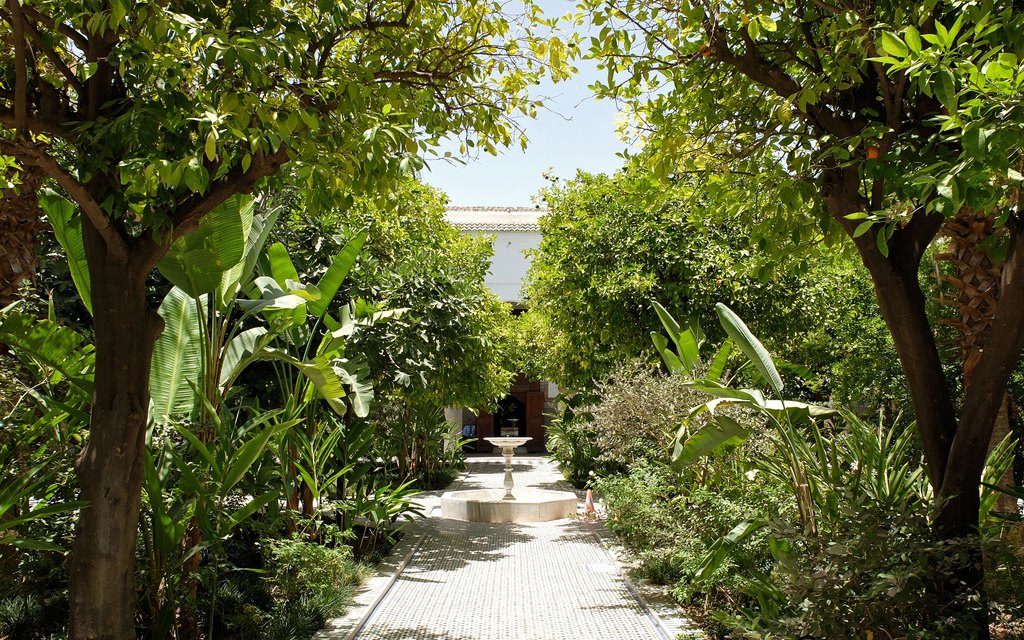
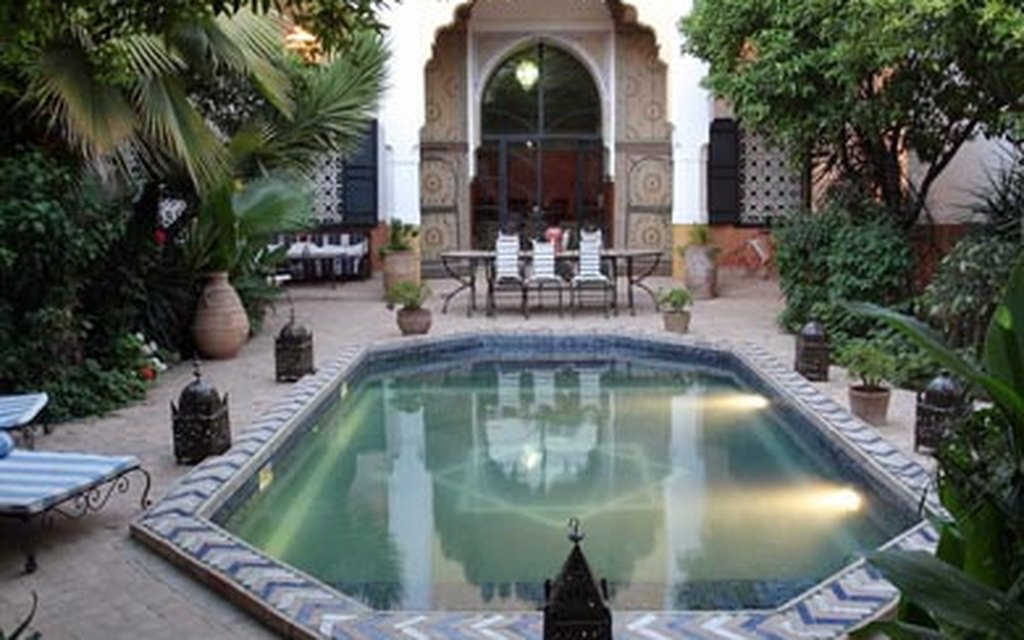
View this stayThe famously photogenic green-tiled courtyard pool. Small, friendly, and minutes from the souks.
View this stay18th-century riad restored by a renowned antiques dealer — classic Marrakchi craftsmanship and a serious restaurant.
View this stayLaid-back design riad with pastel zellige, a plunge pool, and a rooftop made for slow breakfasts.
View this stayBohemian hideaway run by a Parisian couple — leafy patio, homemade dinners, effortless charm.
View this stayFive riads woven into one palatial hotel beside the Saadian Tombs — hammam, heated pool, carved cedar everywhere.
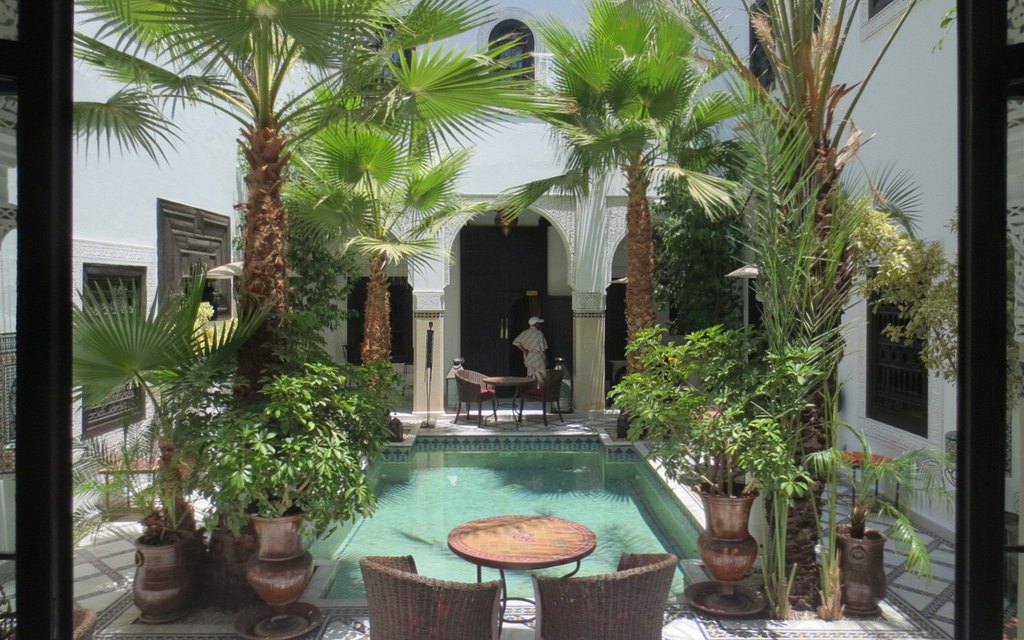
View this stayA heated pool inside a historic medina riad, minutes from Jemaa el-Fnaa — reviewers across every platform rank this among Marrakech's very best.
View this stayA heated rooftop pool and jacuzzi shared with a sister riad, plus cooking classes reviewers keep coming back to.
View this stayA quieter, more residential pocket of the medina, with both a courtyard pool and a separate plunge pool.
View this stayA rooftop jazz bar with views of the Koutoubia, daily cooking workshops, and a spa — a lively, food-forward riad a hundred metres from the main square.
View this stayA three-hectare countryside estate on the Ourika road, with a shuttle into the city — space and gardens rather than medina alleys.
View this stayA purpose-built ksar-style hotel in the historic Mellah, beside the old Jewish cemetery and Bahia Palace.
View this stayAn adults-only, seven-room riad in the Kasbah quarter, run personally by owner Laurence.
View this stayTwo or three old medina houses joined into one, with three separate courtyards under a single roof.
View this staySix rooms in the quieter Berrima quarter, with an on-site restaurant reviewers call the best meal they had in Marrakech.
View this stayMarrakech's first restaurant open to foreigners, founded 1946, now a luxury riad hotel famous for its cooking school.
View this stayA palace-scale hotel with around 110-120 rooms and a long interior-patio pool, 850 metres from Jemaa el-Fna.
View this stayA 12-room riad two minutes from Jemaa el-Fna, its four courtyards and counter-current pool named suites after stars and constellations.
View this stayOne of the only riads in the Kasbah quarter to keep its original 19th-century Arabic-Andalusian plasterwork and structure intact.
View this stayA 16th-century palace that once housed the harem of Sultan Moulay Yacoub, restored over 25 years by French architect Christian Ferre.
View this stay13 rooms in a converted medina house five minutes from Jemaa El Fna, with a courtyard plunge pool and an on-site restaurant open all day.
View this stayOwned by an Italian expat in the Mellah quarter near Bahia Palace, though its rooftop plunge pool has been out of service since at least 2023.
View this stayA 2023-restored riad off Rahba Lakdima with a retractable glass roof over its heated courtyard pool, steps from the spice square.
View this stayA 5-room riad in Sidi Benslimane run by owner Alain, built around a compact courtyard pool and two rooftop terraces.
View this stayA 5-room Derb El Hammam riad with an underground hammam and rooftop terrace hosting two Berber-style tents, run by host Ibrahim.
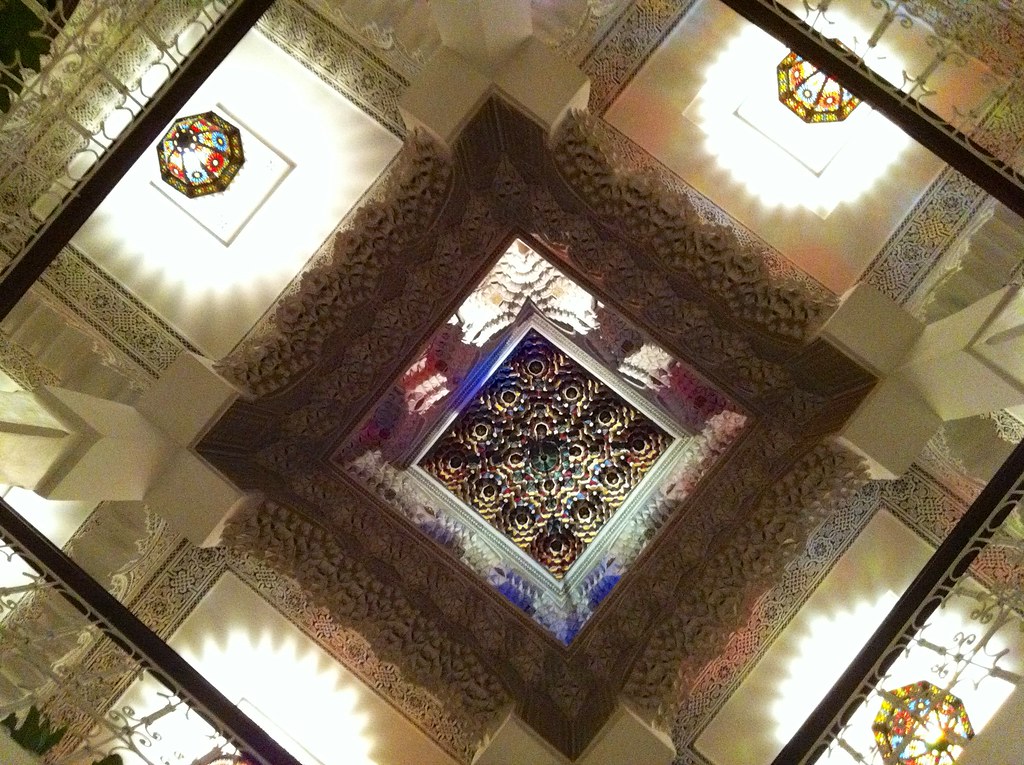
View this stayA 7-room Mouassine quarter riad with carved cedar ceilings, bone-inlaid furniture, and a rooftop terrace jacuzzi, 200m from Jemaa el-Fna.
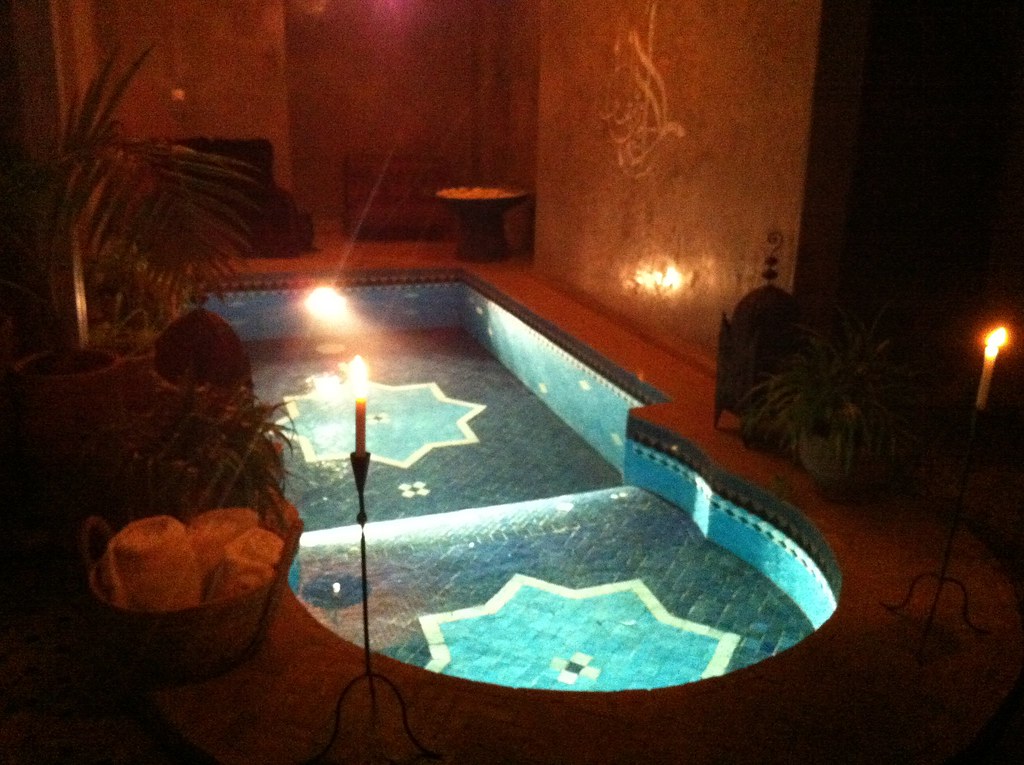
View this stayA courtyard riad by Dar El Bacha restored by architect Christophe Simeon, with a zellige-tiled fireside salon and a candlelit indoor plunge pool.
View this stayA 10-room guesthouse on Derb Jdid with a garden courtyard and rooftop breakfast, where reviewers name-check staff like Khalil and Ahmed directly.
View this stayA 5-room guesthouse decorated by owner Coralie, with rooms named after Moroccan dynasties and bathrooms guests repeatedly say are bigger than the room itself.
View this stayAn 11-room sister property to La Maison Arabe near Bab Doukkala, with hand-carved cedarwood ceilings, a heated rooftop pool, and a marble hammam spa.
View this stayA 17th-century riad in the old Mellah, restored by its Italian owners since 2005, with a Carrara-marble hammam and a courtyard plunge pool.
View this stayA family-run Berrima riad where host Julien and his mother run both an indoor and outdoor pool plus a working hammam and sauna.
View this stayA 9-room riad in Kennaria where rainfall showerheads and private balconies come standard, a 700m walk from the Boucharouite textile museum.
View this staySeven suites of 35-45sqm beside the Mouassine Mosque, each with a walk-in shower and separate dressing area, 300m from Djemaa El Fna.
View this stayA former Glaoui-era watchtower in Derb Dabachi doubles as a guest room, with its own terrace for sunrise views over the medina.
View this stayA 1915 Bab Doukkala house restored in 2018 by its Italian owners, serving an Italian-Moroccan menu with gluten-free and vegan options.
View this stayRebuilt from a former Kasbah-quarter wedding hall, this 8-room riad pairs a courtyard plunge pool with an on-site hammam and spa.
View this stayA 629-review, 9.1/10 riad in the Riad Laarouss quarter, praised for its two-level terrace and home-cooked breakfast.
View this stayA 7-room riad by the historic Bab Ailen gate, 9.2/10 on Booking.com and 4-star TripAdvisor, in a genuinely quiet corner of the medina.
View this stayFive more regions, each with its own character and its own hand-picked stays.
The world's largest car-free medina, and where to stay in it.
Browse stays →A walled Atlantic port town, windswept and unhurried.
Browse stays →Morocco's blue city, tucked into the Rif Mountains.
Browse stays →Kasbahs and mountain lodges around Imlil, Asni and Ourika.
Browse stays →Desert camps and kasbahs on the road to the dunes.
Browse stays →Morocco's working capital — imperial history without the crowds.
Browse stays →Moulay Ismail's monumental gates, and the gateway to Volubilis.
Browse stays →Port city energy, an Andalusian medina, and a whitewashed art town.
Browse stays →